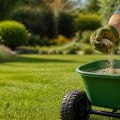
In today's world, the significance of an environmentally friendly yard cannot be overstated. As urbanization and climate change continue to impact our ecosystems, adopting sustainable practices in yard care is essential for preserving biodiversity and promoting a healthier environment. An eco-friendly yard not only enhances the aesthetic appeal of your home but also contributes positively to the local ecosystem, making it a vital aspect of responsible homeownership. One of the primary benefits of sustainable yard care is its ability to reduce pollution and conserve natural resources. Traditional lawn care methods often rely on chemical fertilizers and pesticides that can leach into waterways, harming aquatic life and degrading water quality.
By opting for organic alternatives and implementing practices such as composting and mulching, homeowners can create a thriving landscape that supports both plant health and environmental integrity. Moreover, an environmentally friendly yard fosters a sense of community and connection with nature. It encourages biodiversity by providing habitats for various species, from pollinators like bees and butterflies to birds and beneficial insects. This not only enriches the local ecosystem but also enhances the overall enjoyment of outdoor spaces for families and neighbors alike. Embracing eco-friendly yard care is not just a trend; it is a commitment to nurturing our planet for future generations.
Choosing Native Plants for Your Yard
When it comes to yard care, one of the most effective strategies for creating an environmentally friendly space is to incorporate native plants into your landscaping.Native plants are species that naturally occur in your region and have adapted to the local climate and soil conditions. This adaptation offers numerous benefits that can enhance both your yard and the surrounding ecosystem.
Benefits of Native Plants
- Low Maintenance: Native plants typically require less water, fertilizer, and pesticides compared to non-native species. Their resilience to local pests and diseases means you can spend less time and resources on upkeep.
- Support Local Wildlife: By choosing native plants, you provide essential habitats and food sources for local wildlife, including birds, butterflies, and beneficial insects. This biodiversity is crucial for a healthy ecosystem.
- Soil Health: Native plants often have deep root systems that improve soil structure and prevent erosion.
They also contribute to nutrient cycling, enhancing soil fertility over time.
How to Choose Native Plants
Selecting the right native plants for your yard involves understanding your local environment. Here are some tips:
- Research Local Species: Consult local gardening centers or extension services to find native plants that thrive in your area.
- Consider Your Yard's Conditions: Assess factors such as sunlight, soil type, and moisture levels. Choose plants that are well-suited to these conditions.
- Diversity is Key: Incorporate a variety of species to create a balanced ecosystem. Mix flowering plants with grasses and shrubs to attract different types of wildlife.
Landscaping with Native Plants
Integrating native plants into your landscape design can be both beautiful and functional.
Consider creating layered plantings with taller species at the back and shorter ones in front, or use native ground covers to reduce lawn areas. Not only will this approach enhance the aesthetic appeal of your yard, but it will also promote sustainability by reducing water usage and supporting local wildlife.In conclusion, choosing native plants for your yard is a smart choice for environmentally conscious homeowners. By embracing these resilient species, you can create a vibrant landscape that benefits both you and the local ecosystem.
Implementing Water-Saving Techniques
Implementing effective water-saving techniques in your yard care routine is essential for promoting sustainability and conserving precious resources. Here are some practical methods to consider:- Drip Irrigation Systems: One of the most efficient ways to water your garden is through a drip irrigation system.
This method delivers water directly to the roots of plants, minimizing evaporation and runoff. By using a timer, you can automate watering schedules, ensuring that your plants receive the right amount of moisture without waste.
- Xeriscaping: This landscaping technique focuses on using drought-resistant plants that require less water. By selecting native species and incorporating rocks, mulch, and other natural materials, you can create a beautiful landscape that thrives in dry conditions while significantly reducing your water usage.
- Rain Barrels: Collecting rainwater is an excellent way to supplement your yard care. Installing rain barrels under downspouts allows you to capture runoff during storms, which can then be used for watering plants during drier periods.
- Soil Moisture Sensors: Investing in soil moisture sensors can help you monitor the moisture levels in your garden.
These devices provide real-time data, allowing you to water only when necessary, thus preventing overwatering and conserving water.
Organic Lawn Care Practices
Transitioning to organic lawn care practices is a vital step towards creating a more environmentally friendly yard. By opting for natural alternatives, you not only promote a healthier ecosystem but also enhance the overall quality of your lawn.Organic Lawn Care Tips
To begin with, consider implementing the following organic lawn care tips:- Soil Health: Start by testing your soil to understand its nutrient composition. Amend it with organic matter like compost to improve soil structure and fertility.
- Mowing Practices: Keep your grass at a higher height when mowing. This encourages deeper root growth and helps retain moisture, reducing the need for additional watering.
- Watering Wisely: Water your lawn early in the morning to minimize evaporation.
Aim for deep, infrequent watering to encourage drought-resistant grass.
Natural Fertilizers
When it comes to fertilization, choose natural fertilizers that provide essential nutrients without harmful chemicals. Some effective options include:- Compost: Rich in nutrients, compost improves soil health and promotes microbial activity.
- Fish Emulsion: A great source of nitrogen, fish emulsion is an excellent organic fertilizer that supports plant growth.
- Corn Gluten Meal: This natural herbicide not only fertilizes but also helps prevent weed seeds from germinating.
Pest Control Methods
Pest management is another critical aspect of organic lawn care. Here are some effective pest control methods that minimize chemical use:- Nematodes: Beneficial nematodes can be introduced to control grubs and other soil-dwelling pests.
- Neem Oil: Extracted from the seeds of the neem tree, this natural pesticide disrupts the life cycle of various pests without harming beneficial insects.
- Diatomaceous Earth: This powdery substance can be sprinkled on your lawn to deter soft-bodied insects while being safe for pets and humans.
Creating a Wildlife-Friendly Habitat
Creating a wildlife-friendly yard is an excellent way to support local ecosystems while enhancing the beauty of your outdoor space.By incorporating specific plants and features, you can attract a variety of species, including pollinators, birds, and beneficial insects.
Plant Native Species
- Choose native plants that are well-adapted to your local climate and soil conditions. These plants require less water and maintenance, making them ideal for sustainable yard care.
- Native flowers, shrubs, and trees provide essential food sources for local wildlife. For example, milkweed attracts monarch butterflies, while sunflowers are a favorite among bees.
Create Shelter and Nesting Areas
- Incorporate natural elements such as brush piles, rock gardens, or dead trees to provide shelter for small mammals and insects.
- Install birdhouses and nesting boxes to encourage birds to take up residence in your yard. Ensure these structures are made from natural materials and placed in safe locations.
Provide Water Sources
- A small pond or birdbath can be a vital resource for wildlife.
Ensure the water is clean and refreshed regularly to attract more visitors.
- Add shallow areas in ponds for frogs and other amphibians to thrive.
Avoid Pesticides
Minimize or eliminate the use of chemical pesticides and herbicides in your yard. These substances can harm beneficial insects and disrupt the delicate balance of your local ecosystem. Instead, consider organic alternatives or natural pest control methods.By implementing these strategies, you can transform your yard into a thriving habitat that supports local wildlife while enjoying the beauty of nature right at home.
Composting and Soil Health Improvement
Composting is a powerful practice that not only reduces waste but also significantly enhances soil health. By recycling organic materials such as kitchen scraps, yard waste, and other biodegradable items, you create a nutrient-rich amendment that can transform your yard into a thriving ecosystem.Benefits of Composting
- Reduces Waste: Composting diverts organic materials from landfills, decreasing methane emissions and contributing to a healthier environment.
- Nutrient-Rich Soil: The compost produced is packed with essential nutrients that improve soil fertility, promoting robust plant growth.
- Improves Soil Structure: Compost enhances soil aeration and drainage while increasing its ability to retain moisture, which is crucial for plant health.
- Pest and Disease Resistance: Healthy soil supports beneficial microorganisms that can help suppress pests and diseases.
Improving Soil Health
Healthy soil is the foundation of a sustainable yard.
By incorporating compost into your gardening practices, you can:
- Increase microbial activity, which aids in nutrient cycling.
- Enhance the soil's ability to hold water, reducing the need for frequent irrigation.
- Encourage earthworm populations, which naturally aerate the soil and improve its structure.
Composting Methods for Yards
There are several effective methods for composting in your yard:
- Bins: Use a compost bin to contain your materials. This method is tidy and can be easily managed.
- Piles: If space allows, create a compost pile in a designated area. This method is less formal but requires more monitoring.
- Tumbler: A compost tumbler allows for easy mixing and aeration, speeding up the decomposition process.
Reducing Lawn Area: Alternatives to Traditional Lawns
As homeowners increasingly seek to make their yard care practices more sustainable, reducing the area dedicated to traditional grass lawns is a practical and effective approach.By exploring alternatives to conventional lawns, you can create a beautiful outdoor space that requires less water, fewer chemicals, and minimal maintenance.
Ground Cover Options
One of the most popular alternatives to grass lawns is using ground cover plants. These low-growing plants can fill in spaces where grass might typically grow, offering a lush appearance without the high upkeep. Here are some excellent options:- Creeping Thyme: This aromatic herb thrives in sunny areas and produces lovely purple flowers, attracting pollinators.
- Ajuga (Bugleweed): Known for its vibrant foliage and blue flowers, Ajuga is a hardy ground cover that tolerates shade.
- Irish Moss: Ideal for cooler climates, this moss creates a soft, green carpet that feels great underfoot.
- Clover: A nitrogen-fixing plant that enriches the soil, clover is drought-resistant and provides a lush green appearance.
Hardscaping Elements
Incorporating hardscaping elements into your yard can significantly reduce the need for lawn space. Consider adding:- Paved Patios: Create outdoor living spaces with stone or brick patios that require no mowing.
- Rock Gardens: Use various sizes of stones and drought-resistant plants to create visually appealing landscapes.
- Pathways: Design pathways with gravel or pavers to guide visitors through your yard while minimizing grassy areas.
These options promote biodiversity, reduce water usage, and lower maintenance efforts, making them ideal for eco-conscious homeowners.
Sustainable Yard Maintenance Practices
Maintaining a yard sustainably not only enhances its beauty but also contributes positively to the environment. Here are some eco-friendly yard maintenance tips that can help you achieve a greener space.- Choose Native Plants: Opt for plants that are native to your region. They require less water, fewer fertilizers, and are more resistant to local pests.
- Compost Organic Waste: Instead of throwing away kitchen scraps and yard waste, create a compost pile. This enriches the soil and reduces landfill waste.
- Use Organic Fertilizers: Replace chemical fertilizers with organic options like compost or well-rotted manure.
These improve soil health without harming beneficial microorganisms.
- Implement Mulching: Apply a layer of mulch around plants to retain moisture, suppress weeds, and regulate soil temperature.
- Practice Water Conservation: Install rain barrels to collect rainwater for irrigation. Additionally, consider xeriscaping, which involves designing your yard to reduce or eliminate the need for irrigation.
- Spring: Start by testing your soil and adding organic matter as needed. Plant seeds of native flowers and vegetables that thrive in your climate.
- Summer: Focus on watering early in the morning or late in the evening to minimize evaporation.
Regularly check for pests and use natural remedies like neem oil instead of pesticides.
- Fall: Rake leaves and use them as mulch or add them to your compost pile. This not only reduces waste but also enriches the soil for winter.
- Winter: Protect your plants from harsh weather by covering them with organic materials like straw or burlap. This helps maintain soil temperature and moisture levels.
FAQs About Environmentally Friendly Yard Care
When it comes to environmentally friendly yard care, many homeowners have questions about how to implement sustainable practices effectively. Here are some frequently asked questions that can help guide your efforts:What are the benefits of using native plants in my yard?
Native plants are adapted to the local climate and soil conditions, making them easier to maintain.They require less water and are more resistant to pests and diseases, reducing the need for chemical treatments. Additionally, they provide essential habitats for local wildlife, including pollinators like bees and butterflies.
How can I reduce water usage in my yard?
- Install a rain garden: This helps capture and utilize rainwater, reducing runoff and conserving water.
- Use drip irrigation: This method delivers water directly to the roots of plants, minimizing evaporation and waste.
- Choose drought-resistant plants: Opt for species that thrive in low-water conditions to lower your overall water consumption.
Is it possible to maintain a healthy lawn without chemicals?
Absolutely! You can achieve a lush lawn through organic practices such as:- Composting: Use kitchen scraps and yard waste to create nutrient-rich compost that enriches your soil.
- Natural fertilizers: Consider using bone meal, fish emulsion, or seaweed extracts as alternatives to synthetic fertilizers.
- Pest control: Introduce beneficial insects like ladybugs or use neem oil to manage pests without harmful chemicals.
How can I promote biodiversity in my yard?
Encouraging biodiversity is crucial for a healthy ecosystem. Here are some strategies:- Create diverse habitats: Incorporate various plant types, heights, and structures to attract different species.
- Avoid monocultures: Plant a mix of flowers, shrubs, and trees to support a variety of wildlife.
- Add water features: Small ponds or bird baths can provide essential resources for animals.
Conclusion: Embracing Sustainable Yard Care for a Greener Future
In conclusion, adopting sustainable yard care practices is essential for creating a healthier environment and promoting biodiversity. By implementing the strategies discussed, you can significantly reduce your ecological footprint while enhancing the beauty and functionality of your outdoor space. To recap, consider the following key points:- Native plants: Incorporating native species into your landscape not only supports local wildlife but also requires less water and maintenance.
- Organic gardening: Utilizing organic fertilizers and pest control methods minimizes chemical runoff and promotes soil health.
- Water conservation: Implementing rain gardens, drip irrigation, and rain barrels can help conserve water and manage stormwater effectively.
- Composting: Recycling yard waste through composting enriches your soil and reduces landfill contributions.
- Wildlife habitats: Creating habitats for birds, bees, and other beneficial creatures fosters a balanced ecosystem in your yard.
Remember, every small change counts, and collectively, we can make a significant impact on our surroundings. Start today by making conscious choices in your yard care routine, and watch as your efforts lead to a thriving, eco-friendly landscape.