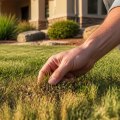
Weeds are more than just an unsightly nuisance in your yard; they are a significant threat to the health and vitality of your garden. These unwanted plants compete with your desired flora for essential resources such as sunlight, water, and nutrients. Understanding what weeds are and their various types is crucial for effective yard care. Common types of weeds include annuals, perennials, and biennials, each with unique growth patterns and life cycles that can complicate their management. The impact of weeds on your yard can be profound.
They can choke out your grass, inhibit the growth of flowers and vegetables, and even attract pests that may harm your plants. Weeds can also harbor diseases that could spread to your healthy plants, leading to a decline in overall yard health. This makes it essential to address weed issues promptly and effectively. In the following sections, we will explore natural methods for controlling weeds that not only protect your yard but also promote a healthier ecosystem. By adopting these strategies, you can maintain a vibrant landscape while minimizing the use of harmful chemicals.
Understanding the basics of yard care will empower you to create a thriving outdoor space that is both beautiful and sustainable.
The Importance of Natural Weed Control Methods
When it comes to yard care, opting for natural weed control methods offers numerous advantages that extend beyond mere aesthetics. These methods not only promote a healthier lawn but also contribute positively to the environment.Benefits of Natural Weed Control
- Safety for Children and Pets: Natural weed control methods, such as using vinegar or salt, are generally safe for children and pets. Unlike chemical herbicides, which can pose health risks, natural alternatives minimize exposure to harmful substances.
- Soil Health: Many natural weed control techniques, like mulching and hand-pulling, enhance soil quality. They encourage beneficial microorganisms and improve soil structure, leading to a more robust ecosystem.
- Cost-Effectiveness: Utilizing household items like boiling water or homemade sprays can significantly reduce costs associated with commercial weed killers.
This makes natural methods not only environmentally friendly but also budget-friendly.
Why Choose Natural Methods?
Choosing natural weed control methods aligns with a growing awareness of sustainable practices. By avoiding synthetic chemicals, homeowners contribute to a healthier environment. This choice supports biodiversity by protecting beneficial insects and pollinators that are often harmed by conventional herbicides.
Environmental Impact
The environmental benefits of natural weed control are profound. Chemical herbicides can leach into groundwater and harm aquatic ecosystems.
In contrast, natural methods help maintain the integrity of local water sources and promote a balanced ecosystem in your yard.In summary, embracing natural weed control methods not only enhances your yard care routine but also fosters a safer, healthier environment for everyone. By prioritizing these techniques, you can enjoy a beautiful lawn while making a positive impact on the planet.
Mulching: A Natural Barrier Against Weeds
Mulching is an effective and natural method for controlling weeds in your yard. By creating a barrier between the soil and the sun, mulch inhibits weed seed germination and growth. This not only helps maintain the aesthetic appeal of your garden but also promotes healthier plants by retaining moisture and regulating soil temperature.How to Use Mulch
To effectively use mulch for weed control, follow these steps:- Choose the Right Location: Apply mulch around trees, shrubs, and flower beds where weeds are likely to sprout.
- Prepare the Area: Clear the area of existing weeds and debris.
It’s best to do this after a rain when the soil is moist.
- Apply a Weed Barrier: For added protection, consider laying down a biodegradable weed barrier fabric before applying mulch.
- Add Mulch: Spread a layer of mulch 2-4 inches thick, ensuring it covers the entire area you want to protect from weeds.
- Maintain Regularly: Check your mulch layer periodically and replenish it as needed to maintain its effectiveness.
Types of Mulch for Weed Control
There are several types of mulch that can be used for effective weed control:- Bark Mulch: Made from shredded tree bark, this type is long-lasting and provides excellent weed suppression.
- Straw or Hay: These organic materials decompose quickly but are great for short-term weed control.
- Wood Chips: Ideal for pathways and garden beds, wood chips break down slowly and help retain moisture.
- Grass Clippings: A readily available option, grass clippings can be used as mulch but should be dried first to prevent matting.
- Compost: Not only does compost enrich the soil, but it also acts as a natural weed deterrent when applied in a thick layer.
Benefits of Mulching
The benefits of mulching extend beyond just weed control. Here are some key advantages:- Moisture Retention: Mulch helps retain soil moisture, reducing the need for frequent watering.
- Soil Temperature Regulation: It keeps the soil cooler in summer and warmer in winter, promoting healthy root growth.
- Nutrient Enrichment: Organic mulches decompose over time, adding valuable nutrients back into the soil.
- Aesthetic Appeal: A well-mulched garden looks tidy and enhances the overall appearance of your yard.
Hand Weeding: The Traditional Approach
Hand weeding is one of the most effective and traditional methods for controlling weeds in your yard. This technique not only helps maintain the aesthetic appeal of your garden but also promotes healthy plant growth by reducing competition for nutrients and water.When to Hand Weed
The best time to hand weed is when the soil is moist, making it easier to pull out the entire root system of the weed. Early morning or after a rain shower are ideal times, as the ground is softer and more pliable.
Additionally, it’s crucial to hand weed before the weeds go to seed, as this will prevent them from spreading further throughout your yard.
Hand Weeding Techniques
- Grip and Pull: Grasp the weed close to the base and pull it out gently but firmly. Ensure you remove the entire root to prevent regrowth.
- Twisting Motion: For stubborn weeds, use a twisting motion while pulling to help dislodge the roots from the soil.
- Weed Identification: Familiarize yourself with common weeds in your area. Knowing what to look for can save time and effort.
Tools for Hand Weeding
While hand weeding can be done with just your hands, several tools can enhance efficiency:
- Hand Trowel: A small trowel can help dig out deep-rooted weeds.
- Weeding Fork: This tool is excellent for loosening soil around stubborn weeds.
- Garden Gloves: Protect your hands from thorns and dirt while providing a better grip on weeds.
Natural Herbicides: Homemade Solutions for Weed Control
Controlling weeds naturally can be both effective and environmentally friendly.One of the best ways to achieve this is by using homemade herbicides made from common household ingredients. Below are some simple recipes that you can try in your yard care routine.
Vinegar-Based Herbicide
One of the most popular natural herbicides is a vinegar solution. The acetic acid in vinegar acts as a desiccant, effectively drying out weeds.- Ingredients: 1 gallon of white vinegar (5% acetic acid)
- Instructions: Pour the vinegar directly onto the weeds, ensuring to soak the leaves thoroughly. For best results, apply on a sunny day.
Salt and Water Solution
A mixture of salt and water can also serve as an effective weed killer.However, use it sparingly, as salt can affect soil health.
- Ingredients: 1 cup of salt and 2 cups of water
- Instructions: Dissolve the salt in water and spray directly onto the weeds. Avoid contact with desirable plants.
Soap and Vinegar Mix
Add a few drops of dish soap to your vinegar solution to enhance its effectiveness. The soap helps the solution adhere to the leaves.- Ingredients: 1 gallon of white vinegar, 1 tablespoon of dish soap
- Instructions: Mix the ingredients in a spray bottle and apply directly to the weeds.
For persistent infestations, multiple applications may be necessary.While homemade herbicides are a great alternative to chemical options, it's essential to use them responsibly. Always test a small area first to ensure that they do not harm your desired plants or soil quality.
Companion Planting: Using Plants to Deter Weeds
Companion planting is a natural method that not only enhances the health of your plants but also plays a significant role in weed control. By strategically placing certain plants together, you can create a more balanced ecosystem in your yard that suppresses weed growth while promoting the vitality of your desired plants.How Companion Planting Works
The principle behind companion planting lies in the idea that some plants can benefit each other through various means, such as allelopathy, which is the chemical inhibition of one plant by another. This can lead to reduced competition for nutrients and sunlight, making it harder for weeds to establish themselves.Additionally, certain plants can attract beneficial insects or provide shade, further discouraging weed growth.
Best Companion Plants for Weed Control
- Marigolds: Known for their pest-repelling properties, marigolds can also create a dense ground cover that limits sunlight reaching weeds.
- Clover: This low-growing plant not only fixes nitrogen in the soil but also forms a thick mat that prevents weed seeds from germinating.
- Basil: When planted alongside tomatoes, basil can help suppress weeds while enhancing the flavor of the tomatoes.
- Thyme: As a ground cover, thyme grows densely and can outcompete many common weeds for space and resources.
- Nasturtiums: These vibrant flowers can act as a trap crop for aphids, allowing your other plants to thrive while also covering bare soil to deter weeds.
Maintaining Healthy Soil: The Foundation of Weed Control
To effectively manage weeds in your yard, it is crucial to start with the foundation: healthy soil. Weeds thrive in poor soil conditions, where they can easily outcompete other plants for nutrients and water. By focusing on improving your soil quality, you can create an environment that discourages weed growth.Improving Soil Quality
- Add Organic Matter: Incorporating organic matter such as compost, well-rotted manure, or leaf mold can significantly enhance soil structure and fertility.
This not only provides essential nutrients but also improves moisture retention, making it harder for weeds to establish themselves.
- Test Your Soil: Conducting a soil test can help you understand its pH and nutrient levels. Based on the results, you can amend your soil with specific nutrients that promote healthy plant growth while suppressing weeds.
- Aerate the Soil: Compacted soil can hinder root growth and water infiltration. Aerating your yard allows air, water, and nutrients to penetrate deeper into the soil, fostering a healthier ecosystem that supports desirable plants over weeds.
- Mulching: Applying a layer of organic mulch around your plants not only conserves moisture but also suppresses weed growth by blocking sunlight. As the mulch breaks down, it adds more organic matter to the soil.
The Role of Soil Health in Weed Control
Healthy soil is rich in beneficial microorganisms that help break down organic matter and release nutrients.
This biological activity creates a competitive environment that makes it difficult for weeds to thrive. By maintaining a balanced ecosystem in your yard, you can naturally reduce weed populations.In summary, focusing on soil health is a fundamental aspect of effective yard care. By improving soil quality through organic amendments, testing, aeration, and mulching, you can create a thriving landscape that minimizes weed issues while promoting the growth of your desired plants.
Regular Lawn Maintenance: Preventing Weeds Before They Start
Maintaining a healthy lawn is one of the most effective lawn care tips for preventing weeds from taking hold in your yard. A regular maintenance schedule not only promotes the growth of grass but also creates an environment that is less hospitable to weeds.Mowing
is a crucial aspect of lawn maintenance.
Keeping your grass at the right height—typically between 2.5 to 4 inches—can significantly reduce weed growth. Taller grass shades the soil, making it harder for weed seeds to germinate. Additionally, ensure that your mower blades are sharp; dull blades can tear the grass, making it more susceptible to disease and pests.
Watering
is another vital component of a successful lawn care routine. Water your lawn deeply but infrequently, aiming for about 1 inch of water per week.
This encourages deep root growth, which helps your grass outcompete weeds for nutrients and moisture. Early morning is the best time to water, as it reduces evaporation and fungal diseases.
Fertilizing
your lawn appropriately can also help prevent weeds. A well-nourished lawn is more resilient and can better withstand weed invasions. Use a slow-release fertilizer in the spring and fall to provide essential nutrients without promoting excessive growth that could lead to more mowing.Incorporating these practices into your regular maintenance schedule will not only enhance the health of your lawn but also minimize the chances of weeds taking root.
Remember, a proactive approach to yard care is key to achieving a lush, weed-free landscape.
FAQs About Natural Weed Control in Yard Care
When it comes to natural weed control, many homeowners have questions about the most effective methods and practices. Here are some frequently asked questions that can help clarify your approach to yard care.What are the best natural methods for controlling weeds?
There are several effective natural methods for controlling weeds in your yard:- Mulching: Applying a thick layer of organic mulch can suppress weed growth by blocking sunlight and retaining soil moisture.
- Boiling Water: Pouring boiling water directly onto weeds can kill them instantly without harming the surrounding plants.
- Vinegar: A solution of vinegar (especially with high acetic acid content) can be sprayed on weeds to desiccate them.
- Salt: Salt can be an effective weed killer, but use it sparingly as it can also harm your soil and other plants.
How often should I apply natural weed control methods?
The frequency of application depends on the method used and the severity of the weed problem. Generally, it’s advisable to:- Apply mulch once a year, ideally in the spring.
- Use boiling water or vinegar as needed, particularly during the growing season when weeds are actively sprouting.
- Monitor your yard regularly and reapply salt or other treatments as necessary, but avoid overuse to prevent soil damage.
Can I prevent weeds naturally?
Yes! Preventative measures are key in natural weed control. Consider these strategies:- Healthy Lawn Care: Maintain a healthy lawn by mowing regularly and watering appropriately to promote dense grass growth that can outcompete weeds.
- Soil Health: Test your soil and amend it with organic matter to improve its health, which can help prevent weed establishment.
- Crowd Planting: Planting ground covers or densely spaced plants can reduce available space for weeds to grow.
Conclusion: Embracing Natural Methods for a Healthier Yard
In conclusion, adopting natural methods for weed control not only enhances the health of your yard but also contributes to a more sustainable environment.By utilizing techniques such as mulching, hand-pulling, and the application of organic herbicides, you can effectively manage unwanted plants without resorting to harmful chemicals.Implementing these strategies not only helps in maintaining a beautiful landscape but also promotes biodiversity. For instance, encouraging beneficial insects and planting native species can create a balanced ecosystem that naturally suppresses weed growth. Additionally, practices like crop rotation and companion planting can further enhance soil health, making it less hospitable for weeds.Moreover, regular yard maintenance, including proper watering and mowing techniques, plays a crucial role in preventing weed proliferation. By keeping your grass healthy and dense, you can outcompete many common weeds for resources.Ultimately, embracing these natural approaches not only leads to a more vibrant yard but also aligns with eco-friendly practices that benefit the planet.
As you embark on your journey towards effective yard care, remember that patience and consistency are key. Over time, you will witness the positive impact of these methods on your outdoor space.By choosing natural weed control methods, you are making a conscious decision to protect your yard's health while contributing to a greener future. So take the plunge into organic yard care and enjoy the myriad benefits it brings!.