Incorporating native plants into your yard is not just a trend; it’s a vital step towards sustainable yard care. Native plants are species that have evolved in a specific region over thousands of years, adapting to the local climate, soil, and wildlife. This deep-rooted connection to the environment makes them exceptionally suited for your garden, offering a myriad of ecological benefits. By choosing native plants, you are not only enhancing the beauty of your landscape but also fostering a healthier ecosystem. The benefits of native plants extend far beyond aesthetics.
They require less water, fertilizer, and pesticides compared to non-native species, making them an eco-friendly choice for yard care. Their natural resilience means they can thrive in local conditions without the need for excessive maintenance. Additionally, native plants provide essential habitats and food sources for local wildlife, including birds, butterflies, and beneficial insects. This biodiversity is crucial for pollination and pest control, creating a balanced environment that supports both plant and animal life. Moreover, incorporating native plants into your yard can significantly reduce soil erosion and improve water quality.
Their extensive root systems help stabilize the soil, preventing runoff and promoting groundwater recharge. As you consider ways to enhance your outdoor space, remember that choosing native plants is not just about beautifying your yard; it’s about making a conscious choice to support the environment and promote sustainability in your community.
Assessing Your Yard's Conditions
Before you can successfully incorporate native plants into your yard, it’s essential to assess your yard's conditions. This evaluation will help you understand the specific environment in which your plants will thrive. Here are the key factors to consider:Soil Type
The type of soil in your yard plays a crucial role in plant health.To determine your soil type, you can conduct a simple test:
- Sandy Soil: Drains quickly but may not retain nutrients well.
- Clay Soil: Retains moisture and nutrients but can become compacted.
- Silty Soil: A balance of drainage and nutrient retention, ideal for many plants.
- Loamy Soil: A mix of sand, silt, and clay, often considered the best for gardening.
Sunlight Exposure
Different plants have varying sunlight requirements. Observe your yard throughout the day to determine how much sunlight each area receives:- Full Sun: 6 or more hours of direct sunlight daily.
- Partial Shade: 3 to 6 hours of sunlight, often filtered through trees or structures.
- Full Shade: Less than 3 hours of direct sunlight, typically found under dense tree canopies.
Moisture Levels
The moisture level in your yard is another critical factor. Assess whether your yard tends to be:- Damp: Areas that retain water or are prone to flooding.
- Well-Drained: Areas that dry out quickly after rain.
- Drought-Prone: Areas that receive little moisture and require drought-tolerant plants.
Choosing the Right Native Plants for Your Region
When it comes to yard care, selecting the right native plants for your region is crucial for creating a sustainable and thriving landscape.Native plants are adapted to local climates and soils, making them more resilient and easier to maintain than non-native species. Here are some tips on how to choose the best native plants based on your geographical location:
- Research Your Local Flora: Start by identifying the native plants that naturally grow in your area. Local extension services, botanical gardens, and native plant societies can provide valuable resources and information.
- Consider Your Climate: Different regions have varying climates, which affect plant growth. For instance, if you live in a dry area, look for drought-resistant native plants like California Poppy or Desert Marigold.
- Soil Type Matters: The type of soil in your yard can influence plant selection.
Sandy soils may be suitable for plants like Beach Strawberry, while clay soils might support species such as Black-eyed Susan.
- Sunlight and Water Requirements: Assess the sunlight exposure and moisture levels in your yard. For sunny areas, consider plants like Echinacea or Butterfly Weed, while shaded spots may benefit from Wild Ginger or Virginia Bluebell.
- Northeast: Purple Coneflower, New England Aster
- Southeast: Crape Myrtle, Southern Magnolia
- Midwest: Prairie Dropseed, Smooth Blue Aster
- West: Lupine, Sagebrush
Designing Your Yard with Native Plants
Incorporating native plants into your yard can transform your outdoor space into a vibrant and sustainable ecosystem. When designing your yard, consider the following principles to create a harmonious landscape that thrives with local flora.- Understand Your Space: Before selecting plants, assess your yard's conditions, including sunlight, soil type, and moisture levels.
This will help you choose native species that are well-suited to your environment.
- Create Zones: Divide your yard into different zones based on sun exposure and water needs. For example, place drought-tolerant plants in sunny areas and moisture-loving species in shadier spots.
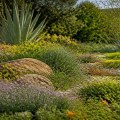
- Layering Plants: Use a layering technique to add depth and interest. Combine tall native grasses or flowering plants at the back, medium-height perennials in the middle, and low-growing ground covers at the front. This not only enhances visual appeal but also provides habitats for wildlife.
- Color Schemes: Choose plants that bloom at different times throughout the year to ensure continuous color.
For instance, pairing Echinacea purpurea (Purple Coneflower) with Rudbeckia hirta (Black-eyed Susan) creates a stunning summer display.
- Textural Variety: Mix plants with different leaf shapes and sizes to create visual interest. Combining the fine texture of Asclepias tuberosa (Butterfly Weed) with the broad leaves of Hibiscus moscheutos (Swamp Mallow) can add dynamic contrast.
Planting and Caring for Native Plants
Incorporating native plants into your yard not only enhances its beauty but also supports local ecosystems.Here are some practical tips for planting and caring for these beneficial plants.
Planting Native Plants
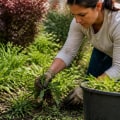
- Choose the Right Time: The best time to plant native species is during the spring or fall when temperatures are moderate and rainfall is more consistent.
- Soil Preparation: Before planting, ensure the soil is well-aerated and free of weeds. Native plants often thrive in poor soil, so avoid over-fertilizing.
- Spacing: Follow recommended spacing guidelines for each species to allow for proper air circulation and growth.
Watering Techniques
Once planted, native plants typically require less water than non-native species. However, during their establishment phase, regular watering is crucial:- Initial Watering: Water deeply once a week for the first month after planting.
- Long-Term Care: After establishment, most native plants can survive on rainfall alone, but monitor them during dry spells.
Mulching and Pruning
Mulching helps retain moisture and suppress weeds. Use organic mulch like wood chips or straw around the base of your plants.Additionally, regular pruning can promote healthy growth:
- Prune Dead or Diseased Branches: This encourages new growth and prevents disease spread.
- Avoid Over-Pruning: Native plants often have a natural shape that should be preserved.
Pest Management
Pest management is essential for maintaining a healthy yard. Native plants are generally more resistant to local pests, but occasional issues may arise:- Encourage Beneficial Insects: Plant a variety of flowers to attract pollinators and predatory insects that help control pest populations.
- Avoid Chemical Pesticides: Instead, consider natural remedies like neem oil or insecticidal soap to manage infestations.
Creating a Wildlife-Friendly Yard with Native Plants
Incorporating native plants into your yard is a powerful way to create a wildlife habitat that supports local ecosystems. Native plants are adapted to the local climate and soil conditions, making them more resilient and less resource-intensive than non-native species. By choosing the right plants, you can attract a variety of wildlife, including birds, butterflies, and beneficial insects.Attracting Pollinators
- Butterflies: Planting native flowering plants such as milkweed, coneflowers, and asters can provide essential nectar sources for butterflies throughout their life cycles.
- Bees: Native bee species thrive on local flora.
Incorporating plants like black-eyed Susans and wild bergamot can help sustain these important pollinators.
- Hummingbirds: Brightly colored native flowers like trumpet vine and cardinal flower can attract hummingbirds, adding vibrancy to your yard while supporting their feeding habits.
Enhancing Biodiversity
By planting a diverse array of native species, you can create a more resilient ecosystem. This diversity not only supports various wildlife but also helps control pests naturally. For instance, certain native plants can attract predatory insects that keep harmful pests in check.Additionally, native plants often require less water and fertilizer compared to non-natives, making them an eco-friendly choice for yard care. They also provide shelter and nesting sites for birds and small mammals, further enriching your yard's biodiversity.
Creating Habitats
To maximize the ecological benefits of your yard, consider creating different layers of vegetation.
Incorporate trees, shrubs, and ground cover to provide various habitats for wildlife. A layered approach not only enhances the aesthetic appeal of your yard but also offers shelter and food sources for a wide range of species.In conclusion, by incorporating native plants into your yard, you can create a thriving wildlife habitat that attracts pollinators and enhances biodiversity. This not only benefits the environment but also allows you to enjoy the beauty and activity of nature right outside your door.
Common Mistakes to Avoid When Using Native Plants
Incorporating native plants into your yard can be a rewarding endeavor, but it’s essential to avoid common mistakes that can hinder your success. Here are some pitfalls to watch out for:- Choosing the Wrong Plants: Not all native plants are suitable for every region or microclimate.
Research the specific native species that thrive in your area to ensure they will flourish in your yard.
- Ignoring Soil Conditions: Native plants often have specific soil requirements. Conduct a soil test to understand its pH and nutrient levels, and amend it as necessary to create an optimal growing environment.
- Overwatering or Underwatering: While native plants are generally more drought-resistant, they still require proper watering during their establishment phase. Avoid the mistake of either overwatering or neglecting them during dry spells.
- Planting at the Wrong Time: Timing is crucial when planting native species. Spring and fall are typically the best seasons for planting, as temperatures are milder and rainfall is more consistent.
- Neglecting Maintenance: Just because native plants are adapted to local conditions doesn’t mean they don’t need care.
Regular maintenance, including weeding and pruning, is essential to keep your yard looking its best.
- Overcrowding Plants: Native plants need space to grow. Avoid planting them too closely together, as this can lead to competition for resources and increased susceptibility to pests and diseases.
FAQs About Incorporating Native Plants into Your Yard
Incorporating native plants into your yard can raise several questions. Here are some frequently asked questions that can help clarify your concerns:- What are native plants? Native plants are species that naturally occur in a specific region, adapted to the local climate and soil conditions. They provide essential habitats for local wildlife and require less maintenance compared to non-native species.
- Why should I choose native plants for my yard? Native plants are beneficial for yard care as they promote biodiversity, require less water and fertilizer, and are more resistant to pests and diseases.
This means less time and money spent on maintenance.
- How do I select the right native plants for my yard? Consider your local climate, soil type, and sunlight availability. Research which native plants thrive in your area by consulting local extension services or native plant societies.
- Can I mix native plants with non-native species? Yes, you can create a diverse landscape by mixing native and non-native plants. However, be cautious of invasive non-native species that may outcompete your native plants.
- How do I care for native plants once they are established? Native plants generally require minimal care once established. Regular watering during dry spells, occasional weeding, and mulching can help maintain their health.