When it comes to yard care, understanding the nature of unwanted plants is crucial for maintaining a healthy and vibrant outdoor space. Unwanted plants, often referred to as weeds, can take many forms, from common garden nuisances to more serious threats like invasive species. These plants not only compete with your desired flora for essential resources such as sunlight, water, and nutrients but can also disrupt the overall ecosystem of your yard. Identifying the types of weeds present in your yard is the first step in effective management. Some weeds are annuals, sprouting quickly and dying within a year, while others are perennials that can persist for multiple seasons.
Invasive species, on the other hand, are particularly problematic as they can spread rapidly and outcompete native plants, leading to a decline in biodiversity. Understanding these distinctions is vital for implementing the right strategies to control their growth. Moreover, the presence of unwanted plants can indicate underlying issues in your yard's health. Poor soil quality, inadequate drainage, or improper watering practices can all contribute to weed proliferation. By addressing these factors alongside managing unwanted plants, you can create a more sustainable and thriving yard environment.
In the following sections, we will explore effective methods for tackling these challenges head-on, ensuring your yard remains a beautiful and healthy space.
Identifying Unwanted Plants in Your Yard
Identifying unwanted plants in your yard is the first step towards effective yard care. Understanding what constitutes a weed or an invasive species can save you time and effort in maintaining a healthy garden. Here are some key points to help you identify these unwanted plants:- Weeds: These are typically plants that grow where they are not wanted, often competing with your desired plants for nutrients, water, and sunlight. Common yard weeds include:
- Dandelion (Taraxacum officinale) - Recognizable by its bright yellow flowers and jagged leaves.
- Clover (Trifolium) - Often found in lawns, it has three-leaf clusters and can spread quickly.
- Crabgrass (Digitaria) - A grassy weed that thrives in warm weather, identifiable by its wide blades and sprawling growth habit.
- Thistle (Cirsium) - Known for its spiky leaves and purple flowers, it can be quite aggressive in spreading.
These plants can disrupt local ecosystems and outcompete native flora. Some examples include:
- Kudzu (Pueraria montana) - A fast-growing vine that can smother trees and shrubs.
- Bamboo (Bambusoideae) - While beautiful, it can spread uncontrollably if not managed properly.
- Japanese Knotweed (Fallopia japonica) - Known for its hollow stems and rapid growth, it can damage foundations and other structures.
Preventive Measures for Yard Care
To effectively manage your yard and minimize the growth of unwanted plants, implementing preventive measures is essential.These strategies not only enhance the aesthetic appeal of your yard but also promote the health of your desired plants.
Regular Maintenance
Consistent yard maintenance is key to preventing weeds and other unwanted plants from taking over. Here are some tips:- Mowing: Keep your grass at an optimal height. Regular mowing prevents weeds from flowering and spreading seeds.
- Watering: Water your plants deeply but infrequently. This encourages deep root growth and makes it harder for weeds to establish themselves.
- Mulching: Apply a layer of organic mulch around your plants.
This not only retains moisture but also suppresses weed growth by blocking sunlight.
Landscaping Strategies
Incorporating smart landscaping strategies can significantly reduce the chances of unwanted plants invading your yard:- Diverse Plant Selection: Choose a variety of plants that are well-suited to your local climate. A diverse garden is less susceptible to pests and diseases, which can lead to unwanted plant growth.
- Ground Covers: Use ground cover plants to fill in bare spots. These plants can outcompete weeds for resources, making it harder for them to thrive.
- Edging: Install physical barriers like edging around flower beds and gardens. This helps prevent the spread of invasive species from neighboring areas.
Remember, a proactive approach is always more effective than reactive measures when it comes to yard maintenance.
Manual Removal Techniques
When it comes to yard care, manual removal techniques are often the most effective way to tackle unwanted plants, particularly weeds. These methods not only help maintain the aesthetic appeal of your yard but also promote the health of your desired plants by reducing competition for nutrients and water.How to Remove Weeds Manually
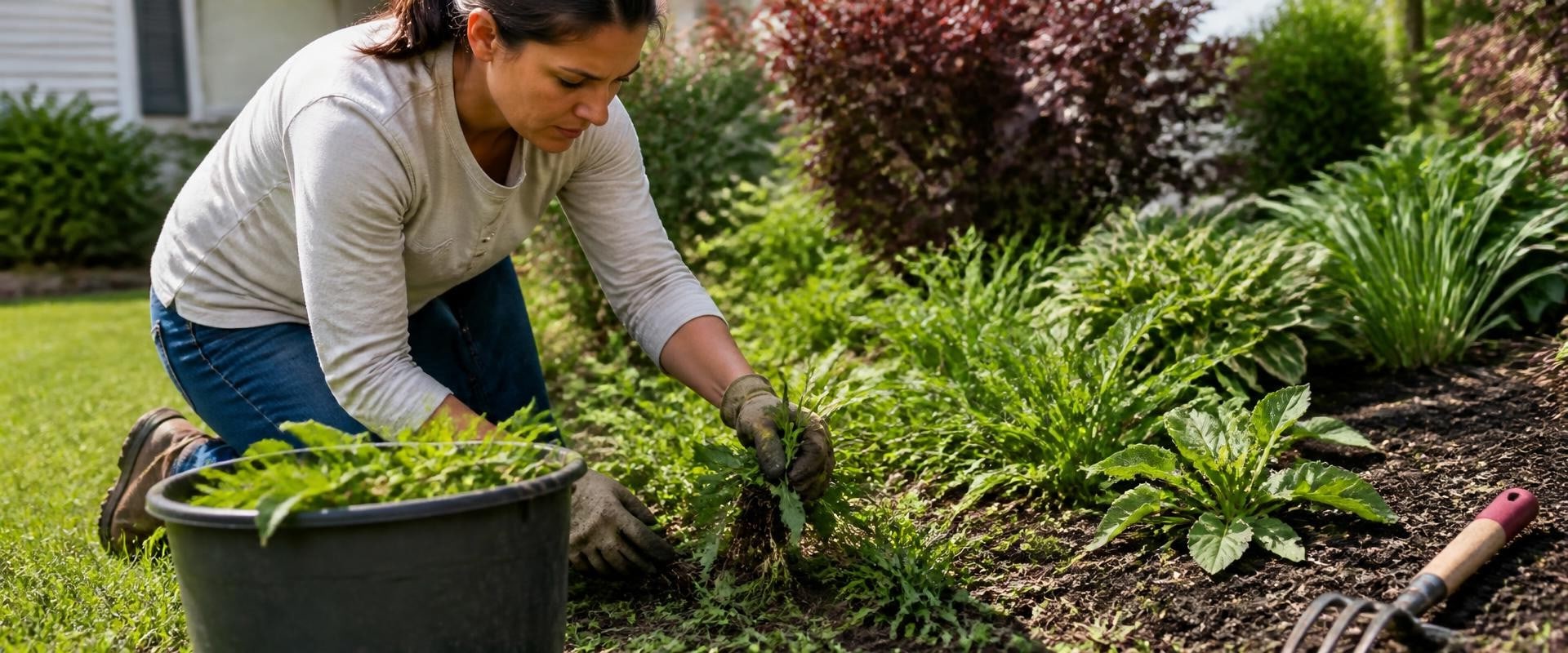
Manual weeding involves physically pulling out weeds from the ground. Here are some steps to follow:- Identify the Weeds: Before you start, make sure you can distinguish between weeds and your desired plants.
- Water the Area: Moist soil makes it easier to pull out weeds, so consider watering your yard a day before you plan to weed.
- Use Proper Technique: Grasp the weed at its base and pull it out slowly, ensuring you remove the entire root. This prevents regrowth.
Weeding Techniques
There are several effective techniques for manual weeding:- Hand Pulling: Ideal for small patches of weeds, this technique allows for precise removal.
- Hoeing: A hoe can be used to cut weeds just below the soil surface, making it effective for larger areas.
- Digging: For deep-rooted weeds, a garden fork or trowel can help loosen the soil and extract the entire root system.
Garden Tools for Weeding
Having the right tools can make manual removal much easier.Consider investing in:
- Weeding Fork: This tool is excellent for loosening soil and removing stubborn weeds.
- Hand Weeder: A small tool designed specifically for digging out weeds with precision.
- Gloves: Protect your hands while working in the dirt, especially if you're dealing with thorny or irritating plants.
Chemical Control Options
When it comes to managing unwanted plants in your yard, chemical control options can be highly effective. Understanding the different types of herbicides for weeds is crucial for successful yard care.Types of Herbicides
- Pre-emergent herbicides: These are applied before weed seeds germinate. They create a barrier in the soil that prevents new weeds from sprouting. Commonly used in early spring, they are effective against annual weeds.
- Post-emergent herbicides: These are used on existing weeds.
They work by targeting the foliage and roots of actively growing plants. It’s essential to choose a product that is effective against the specific type of weed you are dealing with.
- Selective herbicides: These target specific types of plants, allowing desirable grass or flowers to thrive while eliminating unwanted species. This is particularly useful in lawns where you want to maintain healthy grass.
- Non-selective herbicides: These kill all plants they come into contact with, making them suitable for clearing entire areas but requiring careful application to avoid harming desired plants.
Safe Herbicide Use
While chemical control can be effective, safety should always be a priority. Here are some precautions to consider:
- Read labels carefully: Always follow the manufacturer’s instructions regarding application rates and timing.
- Wear protective gear: Use gloves, masks, and goggles to protect yourself from exposure during application.
- Avoid windy days: Apply herbicides when there is little to no wind to prevent drift onto desirable plants or neighboring properties.
- Keep pets and children away: Ensure that treated areas are off-limits until the herbicide has dried or as specified on the label.
Natural and Organic Solutions
When it comes to yard care, utilizing natural and organic solutions for controlling unwanted plants can be both effective and environmentally friendly.These methods not only help maintain the health of your yard but also contribute to a sustainable ecosystem.
Organic Weed Control
- Mulching: Applying a thick layer of organic mulch, such as wood chips or straw, can suppress weed growth by blocking sunlight and retaining soil moisture.
- Hand Pulling: For small infestations, manually pulling weeds can be an effective way to remove them without harming the surrounding plants.
- Boiling Water: Pouring boiling water directly onto unwanted plants can effectively kill them without the use of chemicals.
Natural Herbicides
- Vinegar: A solution of vinegar (acetic acid) can be sprayed on weeds to desiccate them. It’s most effective on sunny days when the heat enhances its potency.
- Salt: Salt can be used as a natural herbicide, but it should be applied carefully to avoid damaging nearby plants. A mixture of salt and water can be sprayed directly onto the unwanted plants.
- Corn Gluten Meal: This natural pre-emergent herbicide prevents weed seeds from germinating and is safe for use around established plants.
Eco-Friendly Yard Care Practices
- Companion Planting: Planting certain species together can naturally deter pests and weeds. For example, marigolds are known to repel various insects and can help protect other plants.
- Regular Maintenance: Keeping your yard well-maintained through regular mowing, trimming, and watering can prevent unwanted plants from taking hold.
- Soil Health: Improving soil health through composting and organic fertilizers can promote strong plant growth, making it harder for weeds to compete.
These methods not only enhance your yard care routine but also align with eco-friendly practices that benefit the planet.
Maintaining a Healthy Yard Post-Removal
After successfully removing unwanted plants from your yard, it’s crucial to focus on maintaining a healthy yard to prevent future infestations and promote the growth of desirable plants. Here are some effective strategies to ensure your yard remains vibrant and healthy.Focus on Soil Health
The foundation of a thriving yard lies in its soil. Healthy soil supports strong plant growth and helps suppress weeds. Consider the following tips:- Test Your Soil: Conduct a soil test to determine pH levels and nutrient content.
This will guide you in making necessary amendments.
- Add Organic Matter: Incorporate compost or well-rotted manure into your soil. This improves soil structure, enhances nutrient availability, and promotes beneficial microbial activity.
- Avoid Compaction: Limit foot traffic on garden beds and use mulch to protect the soil structure.
Plant Health Tips
Choosing the right plants and caring for them properly is essential for a healthy yard. Here are some tips:- Select Native Plants: Native plants are adapted to your local environment and require less maintenance, making them less susceptible to pests and diseases.
- Water Wisely: Water deeply but infrequently to encourage deep root growth. Early morning is the best time to water, reducing evaporation.
- Mulch Regularly: Apply a layer of organic mulch around your plants to retain moisture, suppress weeds, and improve soil quality as it decomposes.
Regular maintenance not only enhances the beauty of your yard but also minimizes the chances of unwanted plants returning.
FAQs About Yard Care and Unwanted Plants
Managing unwanted plants in your yard can be a daunting task, but understanding common questions can help simplify the process. Here are some frequently asked questions about yard care and dealing with unwanted plants:- What are the most common types of weeds? The most prevalent weeds include dandelions, crabgrass, and clover. Each type has its own growth pattern and requires specific management techniques.
- How can I identify if a plant is a weed? Weeds typically grow faster than desired plants, compete for nutrients, and may have a different leaf shape or color. If a plant is not part of your landscaping plan, it’s likely a weed.
- What are effective methods for removing weeds? There are several methods to manage weeds:
- Hand Pulling: This is effective for small infestations.
Ensure you remove the entire root to prevent regrowth.
- Mulching: Applying a thick layer of mulch can suppress weed growth by blocking sunlight.
- Chemical Herbicides: Use these as a last resort. Always follow the instructions carefully to minimize harm to desirable plants.
- Hand Pulling: This is effective for small infestations.
- How often should I check for weeds? Regular inspections are crucial. Aim to check your yard at least once a week during the growing season to catch any new growth early.
- Can I prevent weeds from growing? Yes! Maintaining healthy soil, proper watering, and regular lawn care practices can significantly reduce weed growth. Consider overseeding your lawn to create a dense turf that outcompetes weeds.