Pruning is a fundamental aspect of yard care that often goes overlooked, yet it plays a crucial role in maintaining the health and aesthetics of your plants. Understanding the importance of pruning is essential for any homeowner looking to cultivate a vibrant and thriving landscape. By removing dead or diseased branches, you not only enhance the overall appearance of your shrubs and trees but also promote better air circulation and sunlight penetration, which are vital for healthy growth. Moreover, proper pruning techniques can lead to a plethora of benefits. For instance, regular pruning encourages new growth, allowing your plants to flourish and produce more blooms or fruit.
It also helps in shaping the plants, ensuring they fit well within your yard's design while preventing overcrowding that can lead to competition for nutrients. Additionally, pruning can significantly reduce the risk of pest infestations and diseases by eliminating areas where these issues may thrive. In essence, mastering the art of pruning is not just about aesthetics; it’s about fostering a healthy ecosystem in your yard. As you delve deeper into the specifics of how to prune effectively, you'll discover that this practice is an investment in the longevity and vitality of your landscape. Whether you're dealing with ornamental shrubs or fruit-bearing trees, understanding the nuances of pruning will empower you to make informed decisions that benefit both your plants and your overall yard care strategy.
When to Prune: Timing is Everything
Understanding when to prune your shrubs and trees is crucial for effective yard care.The timing of pruning can significantly influence the health and growth of your plants. Here’s a seasonal guide to help you determine the best times for pruning.
Spring Pruning
Late winter to early spring is generally the best time to prune most shrubs and trees. This period allows you to shape your plants before they enter their active growth phase. However, it’s essential to consider the type of plant:- Flowering shrubs: Prune those that bloom in summer or fall during late winter or early spring.
- Spring-flowering shrubs: For plants like lilacs or azaleas, prune immediately after they finish blooming to avoid cutting off next year’s flowers.
Summer Pruning
Summer is an excellent time for light pruning and maintenance.This is particularly true for trees and shrubs that have already bloomed. Removing dead or diseased branches can help improve air circulation and sunlight penetration:
- Deciduous trees: Prune in late summer to control growth and maintain shape.
- Evergreen shrubs: Lightly trim in mid-summer to encourage denser foliage.
Fall Pruning
While many gardeners believe fall is a good time for pruning, it’s often best to avoid heavy pruning during this season. Instead, focus on:- Cleaning up: Remove any dead or diseased branches to prevent pests from overwintering.
- Preparing for winter: Ensure your plants are healthy before the cold sets in, but save major cuts for spring.
Winter Pruning
Winter is an ideal time for pruning many deciduous trees and shrubs while they are dormant. This practice allows you to see the structure of the plant clearly without leaves obstructing your view:- Tree pruning schedule: Focus on removing dead or crossing branches to promote a strong framework.
- Shape and size control: Winter pruning can help maintain the desired size and shape of your plants.
Remember, proper timing is everything when it comes to effective yard care!
Essential Tools for Pruning
When it comes to yard care, having the right tools for pruning is essential for maintaining the health and aesthetics of your shrubs and trees. Below is a list of essential pruning tools, along with their purposes and tips on how to choose the right ones for your specific needs.- Pruning Shears: These are the most common tools used for pruning small branches and stems. There are two main types:
- Bypass Pruners: Ideal for live plants, these have two blades that slide past each other, making clean cuts.
- Anvil Pruners: Best for dead wood, these have a single blade that cuts against a flat surface.
- Loppers: For thicker branches (up to 2 inches in diameter), loppers provide extra leverage. They come in both bypass and anvil styles, similar to pruning shears.
- Pruning Saws: When dealing with larger branches, a pruning saw is necessary.
These saws are designed to cut through wood efficiently and can be found in both folding and straight styles.
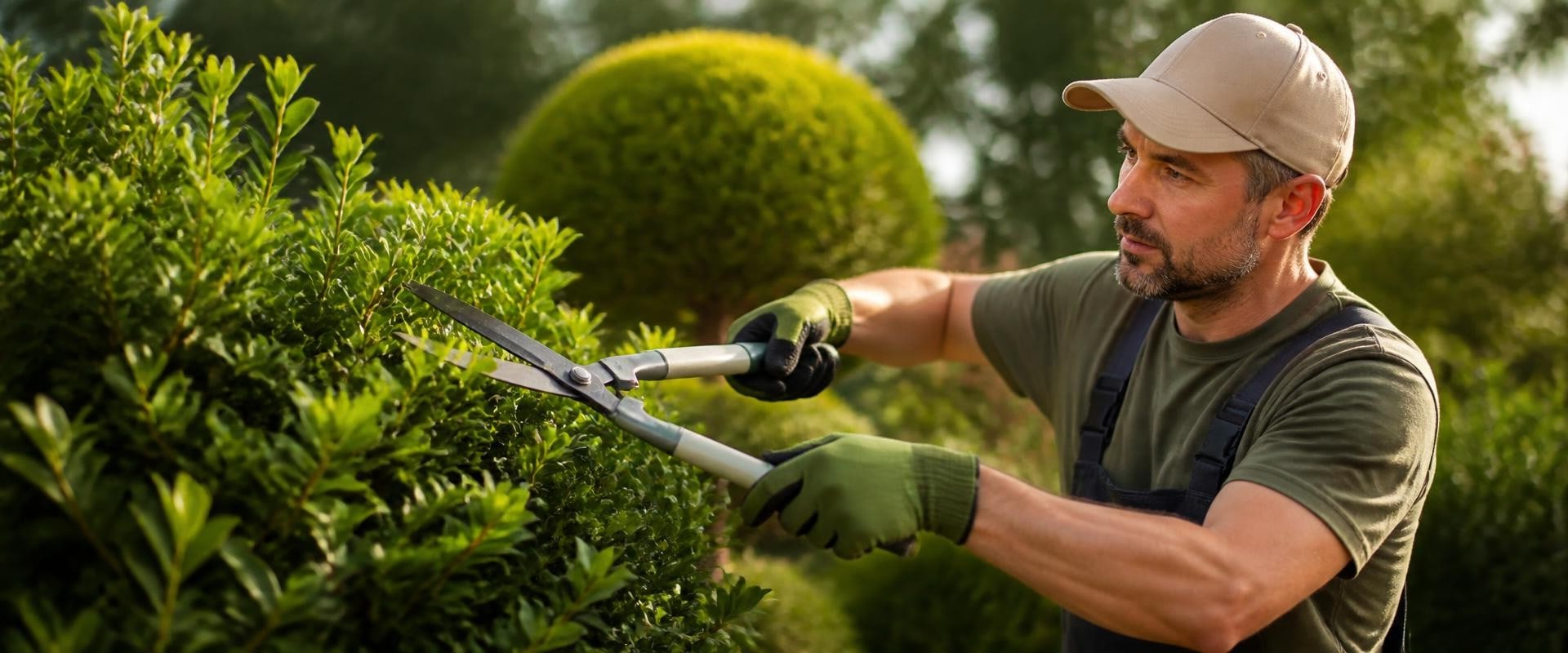
- Hedge Shears: Perfect for shaping hedges and shrubs, hedge shears have long blades that allow you to make quick cuts over larger areas.
- Pole Pruners: For high branches that are out of reach, pole pruners extend your reach significantly. They often come with a saw or shears at the end of a long pole.
- The size of the branches you will be cutting.
- Your comfort and grip on the tool—ergonomic designs can reduce fatigue.
- The material of the blades; high-carbon steel is durable and holds an edge well.
Techniques for Pruning Shrubs
Pruning shrubs is an essential aspect of yard care that not only enhances the aesthetic appeal of your landscape but also promotes the health and growth of the plants. Understanding the various shrub pruning techniques can help you achieve the desired shape and vitality for your shrubs.Shaping Shrubs
One of the primary goals of pruning is to shape shrubs.This involves cutting back overgrown branches to create a more balanced and attractive form. When shaping, consider the natural growth habit of the shrub:
- Natural Shape: Aim to maintain the natural silhouette of the shrub. Avoid creating unnatural shapes that can stress the plant.
- Cutting Technique: Use clean cuts at a 45-degree angle just above a bud or branch junction to encourage healthy regrowth.
Thinning Techniques
Thinning is another important technique that involves removing some branches to improve air circulation and light penetration within the shrub. This is particularly beneficial for dense shrubs:- Selectively Remove: Identify and remove older, weaker branches, as well as any that cross over each other.
- Aim for Balance: Ensure that you maintain a balanced structure by evenly distributing cuts throughout the shrub.
Rejuvenation Pruning
If your shrubs have become overgrown or unhealthy, rejuvenation pruning can be an effective method to restore their vigor:- Timing: This technique is best performed in late winter or early spring before new growth begins.
- Severe Cutting: Cut back one-third to one-half of the shrub’s height, focusing on older stems while leaving younger ones intact.
Regular pruning not only enhances their beauty but also encourages robust growth and flowering in subsequent seasons.
Techniques for Pruning Trees
Pruning trees is an essential aspect of yard care that not only enhances the aesthetic appeal of your landscape but also promotes the overall health and longevity of your trees. Understanding the right techniques for pruning can make a significant difference in how well your trees thrive.Safety First
Before you begin pruning, it’s crucial to prioritize safety. Always wear protective gear such as gloves, goggles, and a hard hat if you’re working with larger branches. Ensure your tools are sharp and in good condition to make clean cuts, which helps prevent damage to the tree.Essential Pruning Techniques
- Thinning: This technique involves removing select branches to improve air circulation and light penetration within the tree.
It helps reduce the risk of disease and encourages healthy growth.
- Heading: Heading cuts involve trimming back the tips of branches to promote bushier growth. This method is particularly useful for young trees that need to develop a strong structure.
- Reduction: When a tree becomes too large or overgrown, reduction cuts can be made to shorten branches while maintaining their natural shape. This technique is vital for keeping trees manageable without compromising their health.
- Cleaning: Remove dead, damaged, or diseased branches to prevent pests and diseases from spreading. Regular cleaning is essential for maintaining tree health.
Timing Your Pruning
The timing of your pruning efforts can greatly affect the outcome.Late winter or early spring is often the best time for most trees, as they are still dormant and can heal quickly once the growing season begins. However, specific species may have unique needs, so it’s important to research the best times for each type of tree in your yard.By employing these techniques and adhering to safety measures, you can ensure that your trees remain healthy and vibrant, contributing positively to your overall yard care efforts.
Common Mistakes to Avoid When Pruning
Pruning can significantly enhance the health and appearance of your plants, but common mistakes can lead to detrimental effects. Here are some frequent errors to avoid when pruning shrubs and trees in your yard:- Pruning at the Wrong Time: Timing is crucial in yard care. Pruning too early in the spring can remove buds that would have produced flowers or leaves.
Conversely, late pruning can expose plants to winter damage. Always research the best time for your specific plants.
- Using Dull Tools: Sharp tools make clean cuts that heal quickly, while dull tools can tear and damage branches. Ensure your pruning shears and saws are well-maintained and sharpened before starting.
- Over-Pruning: Removing too much foliage can stress the plant and hinder its growth. Aim to remove no more than 25% of a plant's foliage at one time, allowing it to recover effectively.
- Ignoring Plant Structure: Each plant has a natural shape that should be respected.
Avoid cutting branches that disrupt the overall form, as this can lead to an unbalanced appearance and unhealthy growth.
- Neglecting Safety Precautions: Always wear protective gear, such as gloves and goggles, especially when working with larger trees or using power tools. Safety should be a priority in any yard care task.
FAQs About Pruning Shrubs and Trees
Pruning shrubs and trees can seem daunting, but understanding the basics can make the process much easier. Here are some frequently asked questions that can help you navigate your yard care tasks more effectively.- When is the best time to prune? Most shrubs and trees benefit from pruning in late winter or early spring before new growth begins.
However, some flowering plants should be pruned right after they bloom to avoid cutting off next year’s flowers.
- How much should I prune? A general rule of thumb is to remove no more than one-third of a plant’s total growth in a single season. This helps maintain the plant's health and encourages robust growth.
- What tools do I need for pruning? Essential tools include sharp pruning shears for small branches, loppers for thicker branches, and a saw for larger limbs. Always ensure your tools are clean and sharp to make precise cuts.
- Should I seal pruning cuts? In most cases, it is not necessary to seal cuts with paint or sealant. Trees and shrubs have natural healing processes that will close over cuts on their own.
- How do I know if a tree or shrub needs pruning? Look for signs such as dead or diseased branches, excessive growth that obstructs pathways, or branches that cross each other.
Regular inspection can help you determine when pruning is necessary.
Conclusion: Embracing Proper Yard Care Through Pruning
In conclusion, proper pruning is an essential aspect of effective yard care that not only enhances the aesthetic appeal of your landscape but also promotes the health and longevity of your shrubs and trees. By understanding the specific needs of each plant species, you can tailor your pruning techniques to ensure optimal growth and flowering.Throughout this article, we have discussed several key points that highlight the importance of pruning:- Timing is crucial: Knowing when to prune can significantly impact the success of your efforts. Different plants have varying optimal pruning times, often dictated by their blooming cycles.
- Tools matter: Using the right tools, such as sharp pruners and saws, ensures clean cuts that minimize damage to the plant.
Regular maintenance of your tools is equally important.
- Technique is everything: Employing proper techniques, such as making cuts at a 45-degree angle and avoiding excessive cutting, helps maintain the plant's structure and encourages healthy growth.
- Regular maintenance: Incorporating pruning into your seasonal yard care routine can prevent overgrowth and disease, keeping your plants vibrant and thriving.