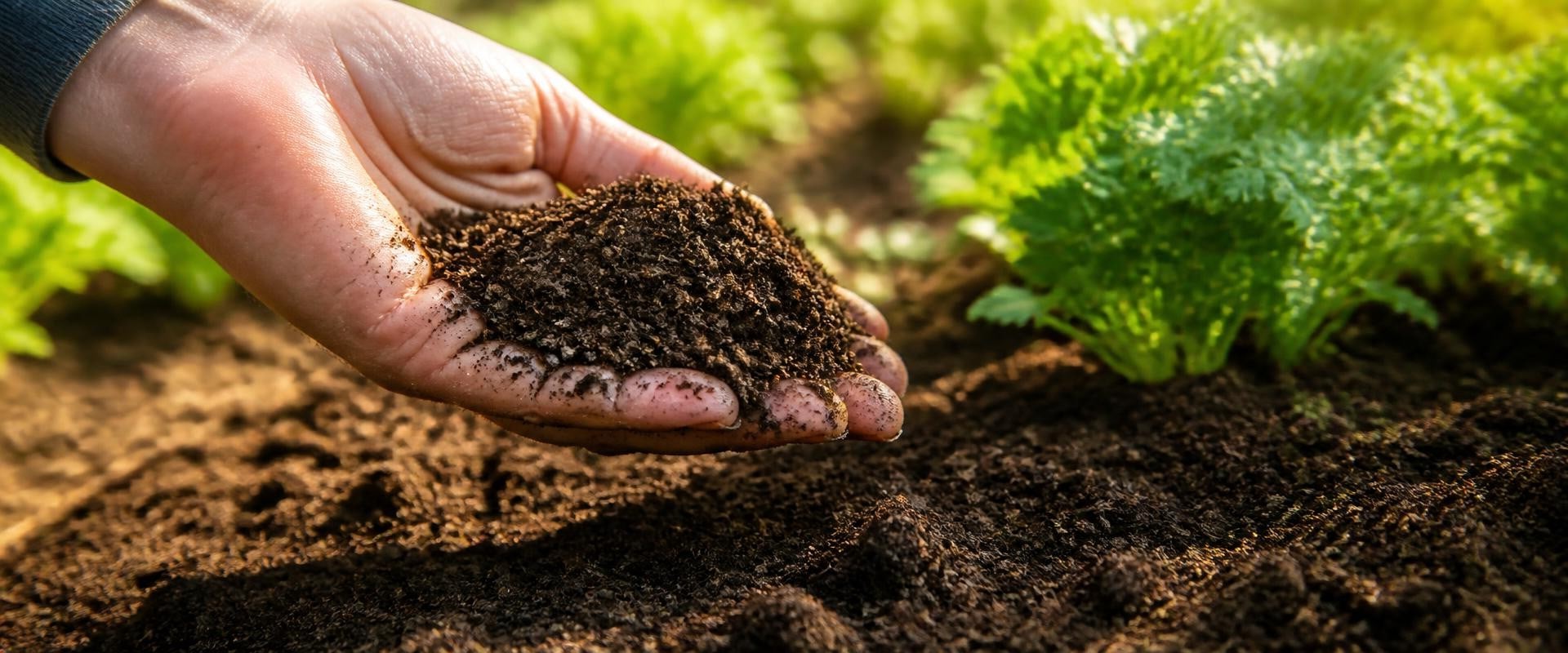
Understanding soil nutrients is fundamental to achieving a thriving yard. Soil is not just a passive medium for plants; it is a dynamic ecosystem that provides essential elements necessary for plant health and growth. These nutrients, including nitrogen, phosphorus, and potassium, play critical roles in various physiological processes. For instance, nitrogen is vital for leaf growth and overall plant vigor, while phosphorus supports root development and flowering.
Potassium helps regulate water use and enhances disease resistance. Without a proper balance of these nutrients, plants can suffer from deficiencies or toxicities, leading to stunted growth or even plant death. The importance of soil health cannot be overstated when it comes to effective yard care. Healthy soil fosters robust plant life, which in turn contributes to a vibrant ecosystem. It supports beneficial microorganisms that break down organic matter, making nutrients more accessible to plants.
Furthermore, well-balanced soil improves water retention and drainage, reducing the need for excessive irrigation and minimizing runoff that can lead to erosion. By maintaining nutrient balance in your soil, you not only enhance the aesthetic appeal of your yard but also promote sustainability. In essence, achieving a healthy balance of nutrients in your yard's soil is crucial for creating an environment where plants can thrive. This balance ensures that your garden remains lush and vibrant while also supporting the broader ecosystem. As we delve deeper into the specifics of nutrient management, you'll discover practical strategies to assess and amend your soil effectively, paving the way for a flourishing outdoor space.
Identifying Nutrient Deficiencies in Your Soil
Maintaining a healthy yard requires an understanding of the nutrient deficiencies that can affect your soil.Identifying these deficiencies early can prevent long-term damage to your plants and ensure a thriving garden.One of the first steps in assessing your soil's health is to look for visual signs in your plants. Here are some common indicators of nutrient deficiencies:
- Yellowing Leaves: Often a sign of nitrogen deficiency, yellowing leaves can indicate that your plants are not receiving enough of this essential nutrient.
- Purple Hues: If you notice purple leaves, particularly on older foliage, this may suggest a phosphorus deficiency.
- Stunted Growth: Plants that are not growing as expected may be lacking in key nutrients such as potassium or magnesium.
- Leaf Spots or Browning: These symptoms can indicate a variety of issues, including deficiencies in calcium or iron.
- Collect Samples: Use a clean trowel to gather soil from various spots in your yard, ideally from the top 6 inches.
- Mix and Dry: Combine the samples in a clean container and allow them to dry completely.
- Send for Testing: Follow the instructions provided by the testing service, which may include filling out a form and paying a fee.
By regularly monitoring both visual signs and conducting soil tests, you can maintain a balanced nutrient profile in your yard, leading to healthier plants and a more vibrant landscape.
Essential Nutrients for Healthy Soil
Maintaining a healthy yard requires an understanding of the essential nutrients that contribute to soil vitality. These nutrients can be categorized into macronutrients and micronutrients, each playing a crucial role in plant growth and overall soil health.Macronutrients
- Nitrogen (N): This nutrient is vital for promoting lush, green foliage. It is a key component of chlorophyll, which plants use in photosynthesis. A nitrogen deficiency can lead to stunted growth and yellowing leaves.
- Phosphorus (P): Essential for root development and flowering, phosphorus helps plants convert energy from sunlight into usable forms.
It also plays a role in the formation of DNA and RNA.
- Potassium (K): This nutrient aids in overall plant health by regulating various physiological processes, including water uptake and enzyme activation. Potassium helps plants withstand stress from drought and disease.
Micronutrients
While required in smaller amounts, micronutrients are equally important for maintaining soil health:- Iron (Fe): Crucial for chlorophyll synthesis, iron deficiency can lead to yellowing between leaf veins.
- Magnesium (Mg): This nutrient is essential for photosynthesis and helps stabilize the structure of chlorophyll.
- Zinc (Zn): Important for enzyme function and protein synthesis, zinc deficiency can stunt growth and affect leaf development.
- Manganese (Mn): Plays a role in photosynthesis and nitrogen metabolism, manganese is vital for plant health.
Methods to Improve Soil Nutrient Balance
Maintaining a healthy balance of nutrients in your yard's soil is essential for promoting robust plant growth and ensuring a vibrant landscape.Here are several effective methods to improve soil nutrient balance:
Organic Amendments
Incorporating organic amendments is one of the best ways to enhance soil health. These materials not only add nutrients but also improve soil structure and water retention. Common organic amendments include:- Compost: Rich in nutrients, compost improves soil fertility and encourages beneficial microbial activity.
- Manure: Well-aged manure provides a slow-release source of nitrogen and other essential nutrients.
- Cover Crops: Planting cover crops like clover or vetch during the off-season can fix nitrogen in the soil and prevent erosion.
Fertilizers
If your soil lacks specific nutrients, using fertilizers can be an effective solution. However, it’s crucial to choose the right type based on your soil test results.Consider the following:
- Nitrogen Fertilizers: Promote leafy growth, ideal for lawns and leafy vegetables.
- Phosphorus Fertilizers: Support root development and flowering, beneficial for flowering plants and fruits.
- Potassium Fertilizers: Enhance overall plant health and disease resistance.
Composting Techniques
Composting is not only an eco-friendly practice but also a fantastic way to recycle kitchen scraps and yard waste into nutrient-rich soil. Here are some tips for effective composting:- Aeration: Turn your compost pile regularly to ensure proper aeration, which speeds up decomposition.
- Browning Materials: Balance green materials (like grass clippings) with brown materials (like dried leaves) to maintain optimal carbon-to-nitrogen ratios.
- Maturity: Allow your compost to mature fully before applying it to your garden, ensuring that it’s rich in nutrients and free from pathogens.
The Role of pH in Soil Nutrient Availability
Understanding soil pH is essential for maintaining a healthy balance of nutrients in your yard. Soil pH measures the acidity or alkalinity of the soil, which significantly impacts the availability of essential nutrients to plants. Most plants thrive in a pH range of 6.0 to 7.5, where nutrients like nitrogen, phosphorus, and potassium are readily available.When the pH falls below or rises above this range, nutrient availability can be severely restricted.
Acidic soils
(pH below 6.0) can lead to deficiencies in important nutrients such as calcium and magnesium, while alkaline soils (pH above 7.5) may cause issues with iron and manganese availability. This imbalance can result in poor plant growth, yellowing leaves, and reduced yields.Testing Soil pH
The first step in managing soil pH is to test it. You can purchase a soil pH test kit from a garden center or send a sample to a local extension service for analysis. Follow the instructions carefully to ensure accurate results.Testing should be done at least once a year or whenever you notice signs of nutrient deficiency in your plants.
Adjusting Soil pH
If your soil pH is outside the ideal range, there are several methods to adjust it:- To raise pH (reduce acidity): Add lime (calcium carbonate) to your soil. The amount needed depends on your current pH and soil type, so refer to guidelines based on your test results.
- To lower pH (increase acidity): Incorporate sulfur or aluminum sulfate into the soil. Again, the quantity will depend on your specific soil conditions.
- Organic amendments: Adding organic matter such as compost can also help buffer pH levels while improving overall soil health.
Seasonal Considerations for Nutrient Management
Maintaining a healthy balance of nutrients in your yard's soil requires a keen understanding of how seasonal changes affect nutrient availability and plant needs.Each season presents unique challenges and opportunities for effective yard care.
Spring: Awakening Nutrients
As the ground thaws and plants begin to emerge, spring is the ideal time to focus on replenishing nutrients. Conduct a soil test to determine pH levels and nutrient deficiencies. Based on the results, consider applying:- Organic fertilizers such as compost or well-rotted manure to enrich the soil.
- Slow-release fertilizers that provide a steady supply of nutrients as plants grow.
Summer: Sustaining Growth
During the hot summer months, plants require consistent moisture and nutrients. Focus on:- Mulching to retain soil moisture and suppress weeds, which compete for nutrients.
- Regular watering, especially during dry spells, to prevent nutrient leaching.
- Foliar feeding, which involves applying liquid fertilizers directly to leaves for quick nutrient absorption.
Fall: Preparing for Dormancy
As temperatures cool, it's essential to prepare your yard for winter.This includes:
- Adding organic matter, such as compost, to improve soil structure and nutrient content before the ground freezes.
- Planting cover crops, like clover or rye, which can fix nitrogen in the soil and prevent erosion during winter months.
- Avoiding heavy fertilization, as many plants enter dormancy and do not require as many nutrients.
winter: Soil Protection
In winter, while growth slows down, it’s crucial to protect your soil. Consider:- Covering bare soil with mulch or leaves to prevent erosion and nutrient loss.
- Avoiding foot traffic on frozen ground to minimize compaction.
- Planning for spring, including selecting appropriate fertilizers based on your earlier soil tests.
Common Mistakes in Yard Care and How to Avoid Them
Maintaining a healthy yard requires more than just regular watering and mowing; it involves understanding the common mistakes that can lead to nutrient imbalances in your soil. Here are some frequent errors homeowners make in their yard care routines and how to avoid them:- Over-fertilization: Many homeowners believe that more fertilizer equals better growth. However, excessive fertilizer can lead to nutrient runoff and soil toxicity.
Always follow the recommended application rates based on soil tests.
- Ignoring Soil Testing: Skipping soil tests is a critical mistake. Regular testing helps you understand the nutrient levels and pH of your soil, allowing for informed decisions about amendments. Aim to test your soil at least once a year.
- Neglecting Organic Matter: Failing to incorporate organic matter, such as compost, can result in poor soil structure and nutrient retention. Adding organic material improves aeration and water retention, promoting healthier plant growth.
- Inconsistent Watering: Irregular watering can stress plants and lead to uneven nutrient uptake.
Establish a consistent watering schedule that considers rainfall and seasonal changes.
- Planting the Wrong Species: Choosing plants that are not suited for your local climate or soil type can lead to poor growth and increased susceptibility to pests and diseases. Research native plants that thrive in your area for better results.
Frequently Asked Questions About Soil Nutrients and Yard Care
Maintaining a healthy balance of nutrients in your yard's soil is crucial for promoting vibrant plant growth and overall yard care. Here are some frequently asked questions that can help you navigate the complexities of soil nutrients:What are the essential nutrients for soil health?
The primary nutrients necessary for healthy soil include:- Nitrogen - Vital for leaf growth and overall plant vigor.
- Phosphorus - Important for root development and flowering.
- Potassium - Helps with water regulation and disease resistance.
How can I test my soil for nutrient levels?
You can test your soil by using a home testing kit or sending a sample to a local extension service.These tests will provide you with information on pH levels and nutrient concentrations, helping you make informed decisions about amendments.
What are the signs of nutrient deficiency in my yard?
Common signs of nutrient deficiency include:- Yellowing leaves - Often indicates nitrogen deficiency.
- Poor flowering or fruiting - May suggest a lack of phosphorus.
- Browning leaf edges - Can be a sign of potassium deficiency.
How often should I fertilize my yard?
The frequency of fertilization depends on the type of plants you have and the results of your soil test. Generally, a good rule of thumb is to fertilize in the spring and again in the fall, but always follow specific recommendations based on your soil's needs.Can I improve my soil without chemical fertilizers?
Absolutely! You can enhance your soil's nutrient profile through organic amendments. Options include:- Compost - Enriches soil with nutrients and improves structure.
- Mulch - Helps retain moisture and adds organic matter as it decomposes.
- Cover crops - Planting legumes can naturally fix nitrogen in the soil.
Conclusion: Achieving a Balanced Soil for a Thriving Yard
In conclusion, achieving a balanced soil is essential for a thriving yard. Throughout this article, we have explored various strategies to maintain the right nutrient levels, which are crucial for the health of your plants and the overall ecosystem of your yard. To recap, here are the key points to consider:- Soil Testing: Regularly testing your soil allows you to understand its nutrient composition and pH levels.
This knowledge is vital for making informed decisions about amendments and fertilizers.
- Organic Matter: Incorporating organic matter, such as compost or well-rotted manure, enhances soil structure and provides essential nutrients. This practice not only feeds your plants but also improves water retention and aeration.
- Crop Rotation: Implementing crop rotation can prevent nutrient depletion and reduce pest and disease buildup. By alternating plant families, you can maintain a diverse nutrient profile in your soil.
- Mulching: Applying mulch helps retain moisture, suppress weeds, and gradually adds nutrients back into the soil as it decomposes.
- Balanced Fertilization: Using a balanced fertilizer that matches your soil's needs ensures that all essential nutrients are available to your plants without causing imbalances.
A well-balanced soil leads to stronger plants, which in turn contributes to a more resilient yard. Ultimately, maintaining a healthy balance of nutrients in your yard's soil is an ongoing process that requires attention and care. By staying informed and proactive, you can ensure that your yard remains a flourishing space for years to come.