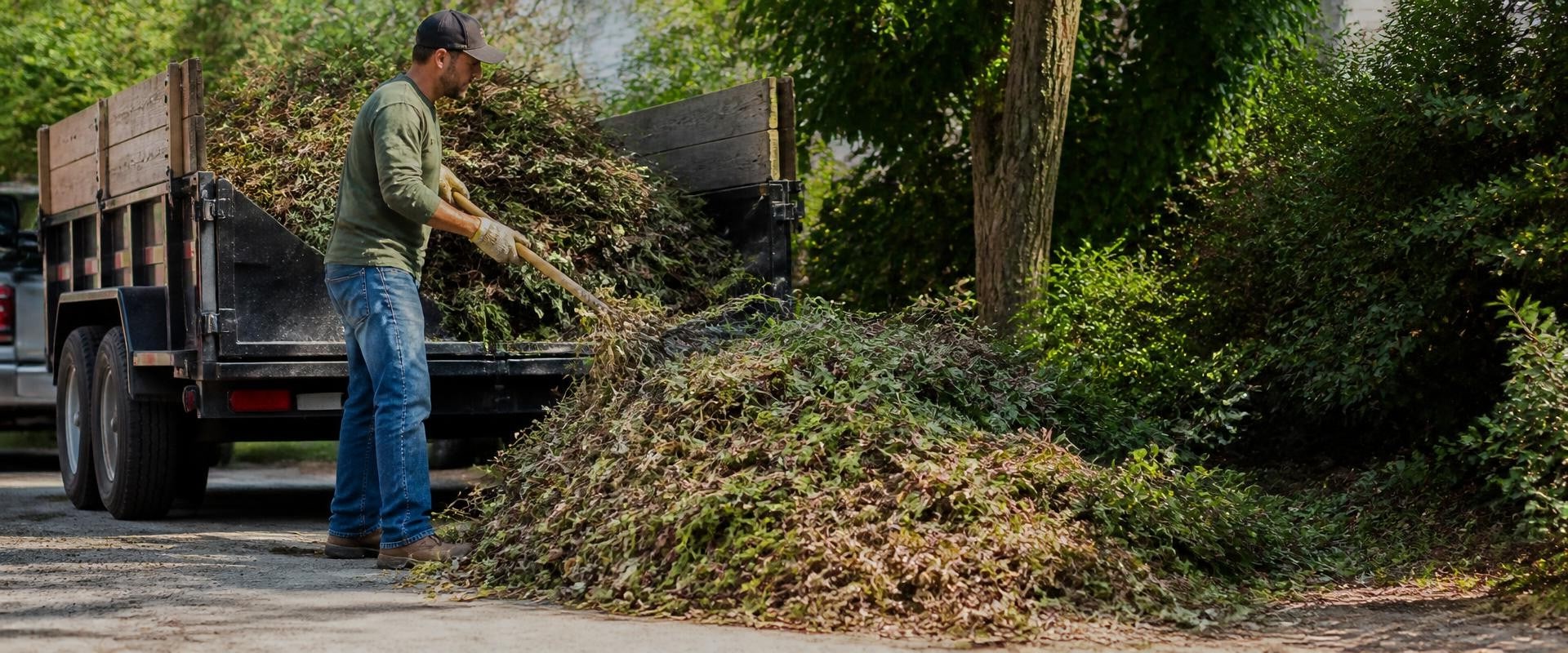
Yard waste is an often-overlooked component of our overall waste management system, yet it plays a significant role in maintaining a healthy environment. This type of waste includes grass clippings, leaves, branches, and other organic materials generated from routine yard care. While these materials may seem harmless, improper disposal can lead to serious environmental consequences, such as increased greenhouse gas emissions and the disruption of local ecosystems. Understanding the types of yard waste is crucial for effective management. For instance, biodegradable materials like leaves and grass clippings can be composted, enriching the soil and reducing landfill contributions.
Conversely, non-biodegradable items, such as plastic plant pots or synthetic fertilizers, require different disposal methods to prevent pollution. By recognizing what constitutes yard waste and how it impacts our surroundings, homeowners can make informed decisions that benefit both their gardens and the planet. The importance of proper disposal methods cannot be overstated. When yard waste is dumped in landfills, it decomposes anaerobically, releasing methane—a potent greenhouse gas. Additionally, yard debris left on the ground can harbor pests and diseases that threaten local flora and fauna.
Therefore, adopting sustainable practices in yard care not only enhances the beauty of your outdoor space but also contributes to a healthier environment.
Why Proper Disposal of Yard Waste Matters
Disposing of yard waste properly is not just a matter of aesthetics; it plays a crucial role in maintaining the health of our environment and communities. When yard waste, such as leaves, grass clippings, and branches, is discarded irresponsibly, it can lead to a range of negative consequences.Environmental Benefits
- Reduction of Landfill Waste: Yard waste constitutes a significant portion of landfill material. By composting or recycling this organic matter, we can significantly reduce the volume of waste sent to landfills, which helps to conserve space and resources.
- Soil Enrichment: Properly composted yard waste can be transformed into nutrient-rich soil amendments. This not only enhances soil quality but also promotes healthy plant growth, reducing the need for chemical fertilizers.
- Carbon Footprint Reduction: Decomposing organic materials in landfills produce methane, a potent greenhouse gas.
By diverting yard waste from landfills through composting or mulching, we can help mitigate climate change.
Community Health
- Pest Control: Accumulated yard waste can attract pests and rodents, which may pose health risks to residents. Proper disposal minimizes these risks and contributes to a cleaner community environment.
- Aesthetic Appeal: Well-maintained yards enhance the visual appeal of neighborhoods. This not only boosts property values but also fosters community pride and encourages responsible yard care practices among residents.
- Public Safety: Disposing of yard debris properly reduces hazards such as tripping or obstructing pathways, ensuring safer outdoor spaces for everyone.
Common Types of Yard Waste and Debris
When it comes to yard care, understanding the different types of yard waste and debris is essential for effective disposal.Proper categorization not only helps in identifying what needs to be disposed of but also ensures that you follow local regulations and best practices.
- Leaves: One of the most common types of yard waste, leaves can accumulate quickly during the fall season. They can be composted, mulched, or bagged for curbside pickup, depending on your local waste management guidelines.
- Branches: Fallen branches and twigs are another frequent occurrence in yards, especially after storms. These can be chipped into mulch or bundled for collection. Larger branches may require special disposal methods, such as taking them to a designated drop-off site.
- Grass Clippings: After mowing your lawn, you may find yourself with a significant amount of grass clippings.
While some homeowners choose to leave clippings on the lawn as a natural fertilizer, others may prefer to collect them for composting or disposal. Check local regulations regarding yard waste collection to ensure compliance.
Safe Methods for Disposing of Yard Waste
Disposing of yard waste and debris safely is essential for maintaining a healthy environment and adhering to local regulations.Here are some effective methods to consider:
- Composting: One of the most sustainable ways to dispose of yard waste is through composting. This process involves collecting organic materials such as leaves, grass clippings, and small branches, and allowing them to decompose naturally. Not only does composting reduce landfill waste, but it also creates nutrient-rich soil that can enhance your garden.
- Recycling: Many communities offer recycling programs specifically for yard waste. Check with your local waste management service to see if they provide curbside pickup for organic materials.
This often includes leaves, twigs, and other plant debris that can be processed into mulch or compost.
- Municipal Services: Utilizing municipal services is another safe method for disposing of yard waste. Many cities have designated drop-off sites or scheduled collection days for yard debris. This ensures that the waste is handled properly and can be transformed into useful products.
Composting: A Sustainable Solution for Yard Waste
Composting is an excellent way to manage yard waste while contributing to a healthier environment.By transforming organic materials into nutrient-rich compost, you not only reduce the amount of waste sent to landfills but also create a valuable resource for your garden.
Benefits of Composting
- Reduces Waste: Composting diverts yard waste from landfills, significantly decreasing your carbon footprint.
- Nutrient-Rich Soil: The compost produced enriches the soil, improving its structure and fertility, which leads to healthier plants.
- Cost-Effective: By using compost in your garden, you can reduce the need for chemical fertilizers and save money in the long run.
- Environmental Impact: Composting helps reduce greenhouse gas emissions and promotes biodiversity in your local ecosystem.
How to Compost Yard Waste
- Choose a Composting Method: Decide whether you want to use a compost bin, pile, or tumbler. Each method has its advantages depending on your space and needs.
- Select Materials: Gather your yard waste, including grass clippings, leaves, small branches, and kitchen scraps. Avoid adding meat, dairy, or oily foods as they can attract pests.
- Create Layers: Start with a layer of coarse materials like twigs or straw at the bottom for aeration. Alternate layers of green materials (nitrogen-rich) like grass clippings with brown materials (carbon-rich) like dried leaves.
- Maintain Your Compost: Turn the pile every few weeks to aerate it and speed up decomposition.
Keep it moist but not soggy; it should feel like a damp sponge.
- Harvest Your Compost: After a few months, your compost will be dark, crumbly, and earthy-smelling. Use it to enrich your garden beds or potted plants.
Utilizing Municipal Yard Waste Services
When it comes to yard care, utilizing your local municipal yard waste services can significantly simplify the process of disposing of yard debris. Many municipalities offer dedicated services for collecting yard waste, which can include leaves, grass clippings, branches, and other organic materials.Curbside Pickup
- Most cities provide curbside pickup on a regular schedule, often weekly or bi-weekly, depending on the season and local regulations.
- Check your city’s website or contact your local waste management department to find out the specific days for yard waste collection in your area.
- Ensure that you place your yard waste in the designated containers or bags as specified by your municipality to avoid any fines or missed pickups.
Local Regulations
- Each municipality may have different rules regarding what can be collected as yard waste. For example, some areas may not accept certain types of debris like large branches or stumps.
- Familiarize yourself with these regulations to ensure compliance and to make the most of the services available.
- Some municipalities also offer drop-off locations for yard waste if curbside pickup is not available or convenient for you.
Always stay informed about any changes in service schedules or regulations to optimize your yard waste disposal process.
DIY Solutions for Yard Waste Disposal
When it comes to yard care, finding innovative ways to dispose of yard waste can not only help the environment but also enhance your garden's aesthetics and functionality. Here are some creative DIY solutions for repurposing or recycling yard debris.- Composting: One of the best ways to recycle yard waste is by creating a compost pile. Gather leaves, grass clippings, and small branches to create nutrient-rich compost that can enrich your soil.
- Mulching: Shredded leaves and small twigs can be used as mulch around plants and trees. This helps retain moisture, suppress weeds, and improve soil quality as it breaks down.
- Garden Art: Get creative by using larger branches or logs to create unique garden sculptures or decorative borders.
Paint them or leave them natural for a rustic look.
- Birdhouses and Feeders: Use leftover wood from pruned branches to build birdhouses or feeders. This not only recycles the wood but also attracts beneficial wildlife to your garden.
- Natural Fencing: Create a rustic fence using larger branches or bamboo. This can serve as a natural barrier while adding charm to your yard.
- Yard Debris Bags: Many municipalities offer yard waste collection services. Check if you can use biodegradable bags for easy disposal.
- Community Programs: Participate in local yard waste recycling programs where you can drop off your debris for composting or processing.
- Sharing with Neighbors: If you have excess plant material, consider sharing it with neighbors who may want to use it for their own gardens.
Frequently Asked Questions About Yard Waste Disposal
When it comes to yard waste disposal, homeowners often have a variety of questions.Here are some of the most frequently asked questions that can help you manage your yard care effectively:
- What types of materials are considered yard waste?
Yard waste typically includes grass clippings, leaves, branches, and other organic materials generated from landscaping activities. It's important to check local regulations, as some areas may have specific definitions. - How can I dispose of yard waste safely?
The safest way to dispose of yard waste is to utilize your local composting program or yard waste collection service. Many municipalities offer curbside pickup for yard debris on designated days. Alternatively, you can create a compost pile in your backyard. - Can I burn my yard waste?
Burning yard waste is illegal in many areas due to fire hazards and air quality concerns.Always check local laws before considering this option.
- What should I do with large branches or tree limbs?
For larger branches, consider cutting them into smaller pieces for easier disposal. Some areas have special drop-off locations for larger debris, or you may need to hire a professional service for removal. - Are there any tips for reducing yard waste?
To minimize yard waste, consider practices such as mulching grass clippings back into the lawn, using leaves as mulch in garden beds, and planning your landscaping to reduce the amount of trimming needed.
Conclusion: Embracing Responsible Yard Care Practices
In conclusion, embracing responsible yard care practices is essential for maintaining a healthy environment and enhancing the beauty of our outdoor spaces. Proper disposal of yard waste and debris not only contributes to a cleaner neighborhood but also supports sustainable gardening practices.Throughout this article, we have explored various methods for safely disposing of yard waste, including:- Composting: Transforming organic waste into nutrient-rich compost that can enrich your garden soil.
- Municipal Collection: Utilizing local yard waste collection services that ensure proper processing and recycling.
- Recycling Centers: Taking advantage of facilities that accept yard debris for recycling into mulch or other products.
- Burning (where permitted): Following local regulations to safely burn dry leaves and branches, ensuring minimal environmental impact.
Remember, responsible yard care extends beyond just the aesthetics of your property; it encompasses a commitment to environmental stewardship.As you engage in your next yard project, consider the impact of your disposal choices. By prioritizing eco-friendly practices, you contribute to a healthier ecosystem and set an example for others in your community. Together, we can cultivate beautiful yards while respecting our planet's resources.