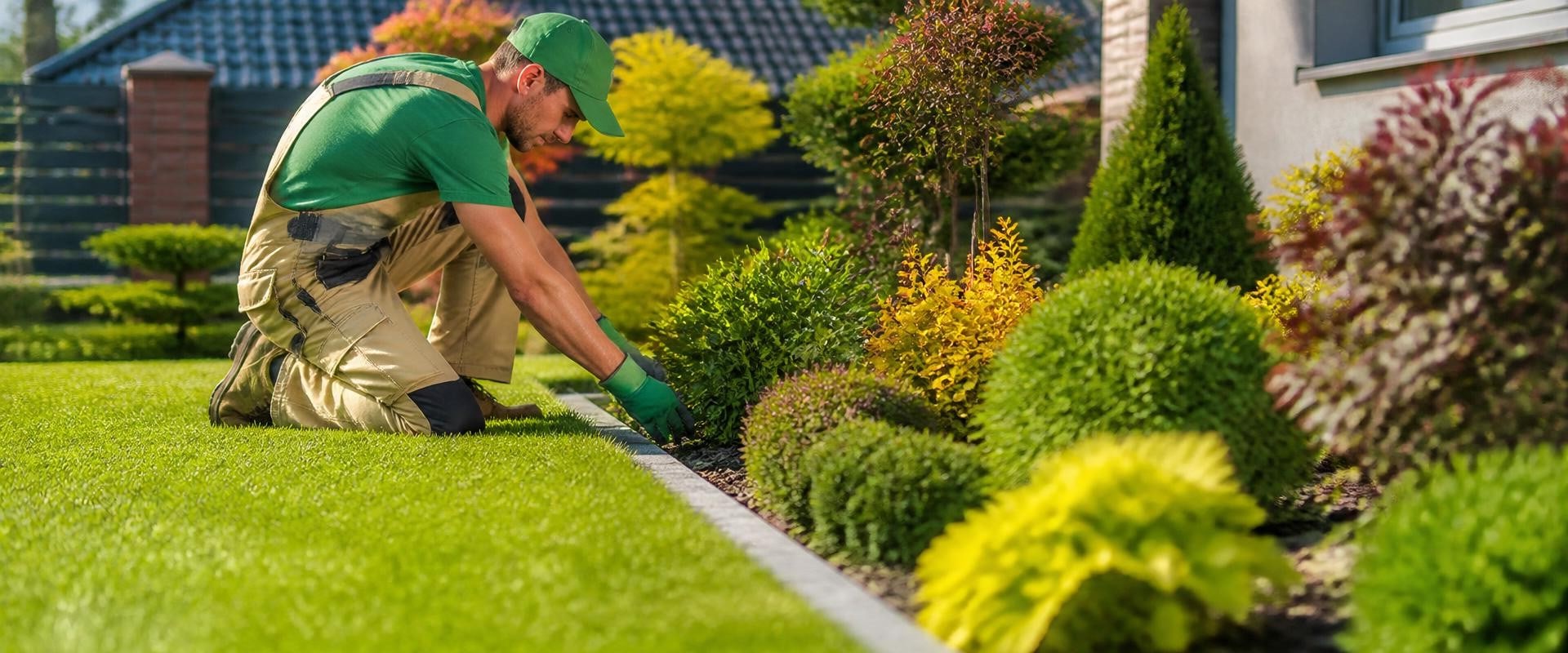
Yard care is an essential aspect of homeownership that goes beyond mere aesthetics; it plays a crucial role in enhancing the overall health and functionality of your outdoor space. A well-maintained yard not only boosts curb appeal but also contributes to the environmental health of your neighborhood. Understanding the basics of yard maintenance can empower homeowners to create a vibrant landscape that serves as a sanctuary for relaxation and recreation. At its core, yard care encompasses a variety of tasks aimed at promoting the growth and vitality of plants, grass, and trees. From regular mowing and watering to seasonal fertilization and pest control, each task contributes to a thriving ecosystem in your backyard.
By investing time and effort into these fundamental practices, you can ensure that your yard remains lush and inviting throughout the year. Moreover, effective lawn care basics are not just about keeping your grass green; they also involve understanding soil health, choosing the right plants for your climate, and implementing sustainable practices that minimize environmental impact. As we delve deeper into specific yard care tasks in this article, you'll discover how each element plays a vital role in creating an outdoor space that is not only beautiful but also sustainable and easy to maintain.
Lawn Maintenance: Key Tasks for a Thriving Lawn
Maintaining a healthy lawn requires consistent attention to several key tasks. Each of these lawn care tasks plays a vital role in promoting growth, preventing disease, and ensuring your yard looks its best throughout the seasons.Mowing
Mowing is one of the most fundamental aspects of lawn maintenance. Regular mowing encourages grass to grow thicker and healthier by preventing it from flowering and going to seed.Aim to mow your lawn when the grass reaches about one-third taller than the desired height. This practice not only keeps your lawn looking neat but also helps to shade the soil, reducing weed growth.
Fertilizing
Fertilizing is essential for providing your lawn with the nutrients it needs to thrive. A well-balanced fertilizer can enhance root development, improve drought resistance, and promote vibrant color. It’s best to fertilize during the growing season, typically in early spring and again in late summer.Be sure to follow the recommended application rates on the fertilizer package to avoid over-fertilization, which can harm your lawn.
Aerating
Aerating involves perforating the soil with holes to allow air, water, and nutrients to penetrate deep into the roots. This process is particularly beneficial for lawns that experience heavy foot traffic or have compacted soil. Aeration should be done at least once a year, ideally in the fall or spring when the grass is actively growing. After aerating, consider overseeding your lawn to fill in any bare spots and enhance its overall density.By incorporating these essential yard care tasks into your routine, you can ensure that your lawn remains lush and healthy all year round.Regular attention to mowing, fertilizing, and aerating will not only improve the appearance of your yard but also contribute to its long-term health.
Plant Care: Nurturing Your Garden Plants
Caring for your garden plants is essential for maintaining a vibrant and healthy yard. Proper plant care involves several key tasks, including watering, pruning, and pest control. Each of these tasks plays a crucial role in ensuring that your plants thrive throughout the growing season.Watering Techniques
Watering is one of the most critical aspects of yard care. It’s important to understand the specific needs of your plants, as different species require varying amounts of water.Here are some effective watering techniques:
- Deep Watering: Instead of frequent shallow watering, aim for deep watering sessions that encourage roots to grow deeper into the soil.
- Morning Watering: Watering in the early morning helps reduce evaporation and allows plants to absorb moisture before the heat of the day.
- Soaker Hoses: Consider using soaker hoses or drip irrigation systems to deliver water directly to the roots, minimizing waste.
Pruning Methods
Pruning is another vital task in plant care that promotes healthy growth and flowering. Regular pruning helps remove dead or diseased branches, allowing more light and air to reach the remaining foliage. Here are some tips for effective pruning:- Timing: Prune during the dormant season for most plants, typically late winter or early spring, to minimize stress.
- Tools: Use sharp, clean tools to make precise cuts and reduce the risk of infection.
- Technique: Make cuts at a 45-degree angle just above a bud or leaf node to encourage new growth.
Pest Control Strategies
Pest control is essential for protecting your garden from harmful insects and diseases. Implementing integrated pest management (IPM) strategies can help keep your plants healthy:- Regular Inspections: Frequently check your plants for signs of pests or disease, such as discolored leaves or webbing.
- Natural Predators: Encourage beneficial insects like ladybugs and lacewings that feed on common garden pests.
- Organic Solutions: Use organic pesticides or homemade remedies, such as neem oil or insecticidal soap, to manage infestations without harming beneficial organisms.
Weed Management: Keeping Your Yard Clean
Effective weed management is crucial for maintaining a clean and healthy yard.Weeds not only detract from the aesthetic appeal of your landscape but can also compete with your desired plants for nutrients, water, and sunlight. Understanding the common types of weeds and implementing effective control strategies can help you keep your yard looking its best.
Common Types of Weeds
- Dandelions: Recognizable by their bright yellow flowers, dandelions are perennial weeds that can quickly take over a yard if not managed.
- Clover: Often seen as a sign of a healthy lawn, clover can become invasive and outcompete grass if left unchecked.
- Crabgrass: This annual weed thrives in warm weather and can spread rapidly, making it a common nuisance in many yards.
- Thistle: Known for its prickly leaves and purple flowers, thistle can be particularly challenging to eradicate once established.
Weed Control Methods
To effectively manage weeds, consider the following strategies:- Manual Removal: Hand-pulling weeds is an effective method for small infestations. Ensure you remove the entire root to prevent regrowth.
- Mulching: Applying a layer of mulch around your plants can suppress weed growth by blocking sunlight and retaining moisture in the soil.
- Herbicides: For larger infestations, selective herbicides can target specific weeds without harming your desired plants. Always follow the manufacturer's instructions for safe application.
- Regular Lawn Maintenance: Keeping your lawn healthy through regular mowing, watering, and fertilization can help prevent weed growth by promoting dense grass that outcompetes weeds.
Regularly monitoring your yard for new weed growth and addressing it promptly will save you time and effort in the long run. By implementing these weed control strategies, you can maintain a tidy yard that enhances the beauty of your outdoor space.
Seasonal Yard Care: Adapting to Changing Conditions
Maintaining a healthy and vibrant yard requires attention to seasonal changes. Each season brings unique challenges and opportunities for yard care, making it essential for homeowners to adapt their tasks accordingly.Spring Cleaning
As winter fades, spring is the perfect time to rejuvenate your yard. Start with spring cleaning, which includes:- Clearing debris: Remove fallen branches, leaves, and any other debris that accumulated over the winter months.
- Soil preparation: Test your soil's pH and nutrient levels, then amend it as necessary to promote healthy plant growth.
- Pruning: Trim back dead or overgrown branches from trees and shrubs to encourage new growth.
- Planting: Begin planting annuals and perennials after the last frost date in your area.
Summer Maintenance
During the summer months, focus on maintaining your yard's health.Regular tasks include:
- Watering: Ensure your plants receive adequate water, especially during dry spells. Early morning is the best time to water.
- Mowing: Keep your lawn trimmed to the recommended height for your grass type to promote healthy growth.
- Pest control: Monitor for pests and diseases, applying treatments as needed to protect your plants.
Fall Preparation
As temperatures begin to drop, fall is a critical time for yard care. Key tasks include:- Leaf removal: Rake leaves regularly to prevent them from smothering your grass and creating mold.
- Lawn aeration: Aerate your lawn to improve air circulation and nutrient absorption before winter sets in.
- Planting bulbs: Fall is ideal for planting spring-blooming bulbs like tulips and daffodils.
Winter Preparation
The winter months require preparation to protect your yard from harsh conditions. Important tasks include:- Mulching: Apply mulch around plants to insulate roots and retain moisture during cold spells.
- Protecting delicate plants: Use burlap or frost cloths to shield sensitive plants from freezing temperatures.
- Cleansing tools: Clean and store gardening tools properly to prevent rust and damage during the off-season.
Irrigation Systems: Efficient Watering Solutions
Efficient yard care heavily relies on the implementation of effective irrigation systems.These systems not only ensure that your plants receive the right amount of water but also promote water conservation, which is crucial in today’s environmentally conscious world.There are several types of irrigation systems available, each with its own advantages:
- Drip Irrigation: This system delivers water directly to the roots of plants through a network of tubing and emitters. It minimizes evaporation and runoff, making it one of the most efficient watering techniques.
- Sprinkler Systems: These systems can cover large areas and are ideal for lawns and flower beds. Modern sprinkler systems can be automated to operate at specific times, reducing water waste.
- Soaker Hoses: A more manual approach, soaker hoses allow water to seep out slowly along their length, providing deep watering for garden beds without excessive runoff.
Here are some tips for effective watering:
- Water Early or Late: Watering during the cooler parts of the day reduces evaporation and ensures more water reaches the roots.
- Monitor Soil Moisture: Use a moisture meter or simply check the soil with your fingers to determine when to water.
- Avoid Overwatering: Too much water can lead to root rot and other plant diseases. Always adjust your watering schedule based on rainfall and seasonal changes.
Yard Cleanup: Preparing for Each Season
Yard cleanup is an essential part of maintaining a healthy and attractive outdoor space. Each season brings its own set of challenges and tasks that need to be addressed to ensure your yard remains in top condition. Here are some key yard cleanup tasks to consider for both fall and spring.Fall Cleanup
As the leaves begin to change color and fall, it’s crucial to prepare your yard for the winter months.Here are some important tasks to focus on:
- Leaf Removal: Raking leaves not only keeps your yard looking tidy but also prevents mold and pests from taking hold under the leaf cover.
- Debris Clearing: Remove any fallen branches, dead plants, or other debris that can harbor pests or diseases over the winter.
- Mulching: Apply a layer of mulch around trees and flower beds to protect roots from freezing temperatures and retain moisture.
- Preparing Plants: Trim back perennials and cover sensitive plants with burlap or frost cloth to shield them from harsh weather.
Spring Cleanup Tips
Once winter has passed, it’s time to rejuvenate your yard. Spring cleanup tasks are vital for promoting healthy growth:- Debris Removal: Clear away any leftover debris from winter, including sticks, leaves, and any other clutter that may have accumulated.
- Lawn Care: Reseed bare patches in your lawn and apply fertilizer to encourage lush growth as temperatures rise.
- Weeding: Start weeding early in the season to prevent them from taking over your garden beds.
- Pruning: Trim back shrubs and trees that may have been damaged during winter storms or that need shaping for optimal growth.
Common Yard Care FAQs
Maintaining a beautiful yard can come with its share of questions and challenges. Here are some common yard care FAQs that can help you troubleshoot issues and enhance your outdoor space.What are the most common issues in yard care?
- Weeds: Weeds can quickly take over your yard, competing with your plants for nutrients and water.
- Pests: Insects like aphids, grubs, and beetles can damage plants and lawns.
- Disease: Fungal infections and other diseases can affect the health of your plants.
- Soil Quality: Poor soil can lead to weak plant growth and nutrient deficiencies.
How do I identify lawn problems?
To effectively address lawn issues, start by observing the following:- Color Changes: Yellowing grass may indicate nutrient deficiencies or overwatering.
- Patchy Areas: Dead patches could be a sign of pests or disease.
- Uneven Growth: This may suggest soil compaction or inadequate watering.
What steps can I take to troubleshoot yard problems?
- Assess the Situation: Walk through your yard to identify any visible issues.
- Test Your Soil: Conduct a soil test to check pH levels and nutrient content.
- Treat Pests and Diseases: Use appropriate pesticides or organic solutions to manage infestations.
- Improve Soil Quality: Amend your soil with compost or fertilizers as needed.
- Regular Maintenance: Keep up with mowing, watering, and fertilizing to prevent future problems.
With the right knowledge and care, you can keep your yard thriving all year round.
Conclusion: The Importance of Regular Yard Care Tasks
In conclusion, regular yard care tasks are essential for maintaining not only the aesthetic appeal of your landscape but also its overall health. By committing to a consistent yard care routine, homeowners can enjoy a vibrant outdoor space that enhances their property value and provides a welcoming environment for family and friends.Throughout this article, we have explored various yard care tasks, including mowing, fertilizing, weeding, and seasonal clean-up. Each of these activities plays a crucial role in promoting healthy growth and preventing pest infestations. For instance, regular mowing helps maintain grass health by encouraging denser growth and reducing weed competition.Moreover, fertilization is vital for replenishing nutrients in the soil, ensuring that plants receive the necessary elements to thrive.By understanding the specific needs of your plants and soil type, you can tailor your fertilization schedule to maximize results.Additionally, addressing weeds promptly through regular maintenance can save you time and effort in the long run. Weeds not only compete with your plants for nutrients but can also harbor pests that may damage your garden.Ultimately, investing time in yard care tasks fosters a healthier ecosystem in your backyard. It encourages biodiversity by providing habitats for beneficial insects and wildlife while also creating a serene space for relaxation and recreation.In summary, the importance of regular yard care cannot be overstated. By prioritizing these tasks, you ensure that your landscape remains beautiful and functional throughout the seasons.
Embrace the joy of yard care as an opportunity to connect with nature and enhance your living environment.