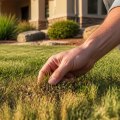
As homeowners increasingly seek to create beautiful outdoor spaces, the traditional grass lawn is facing scrutiny for its environmental impact and high maintenance requirements.
Yard care
practices that prioritize sustainability are becoming more popular, as people recognize the need for alternatives that conserve resources and promote biodiversity. The shift towards these alternatives not only enhances the aesthetic appeal of properties but also contributes positively to the ecosystem. Traditional grass lawns often require significant amounts of water, fertilizers, and pesticides, which can lead to soil degradation and water pollution. In contrast, exploring alternatives to grass lawns opens up a world of possibilities that are both environmentally friendly and visually striking.From native plant gardens to xeriscaping, these options can reduce water usage and support local wildlife, creating a harmonious balance between human habitation and nature. Moreover, sustainable landscaping practices encourage homeowners to rethink their approach to outdoor spaces. By embracing diverse plant species and innovative designs, individuals can cultivate yards that are not only low-maintenance but also resilient against climate change. This introduction to yard care alternatives sets the stage for a deeper exploration of various sustainable landscaping options that can transform your outdoor environment into a thriving ecosystem.
The Environmental Impact of Traditional Grass Lawns
Traditional grass lawns have long been a staple of American landscaping, but their environmental impact is increasingly coming under scrutiny. One of the most pressing concerns is the significant water usage associated with maintaining these lush green spaces.In many regions, especially those prone to drought, the amount of water required to keep grass healthy can be staggering. For instance, a typical lawn can consume up to 60% of a household's water supply during the summer months, leading to unsustainable practices that strain local water resources.In addition to excessive water consumption, traditional grass lawns often rely heavily on pesticides and fertilizers. These chemicals are used to combat pests and promote growth, but they can have detrimental effects on local ecosystems. Runoff from treated lawns can contaminate nearby waterways, harming aquatic life and disrupting natural habitats.
Furthermore, the use of synthetic fertilizers contributes to soil degradation over time, reducing its ability to support healthy plant life.The carbon footprint associated with maintaining a traditional lawn is another critical factor to consider. The use of gas-powered lawn mowers and other equipment releases greenhouse gases into the atmosphere, contributing to climate change. According to some estimates, mowing a lawn for just one hour can produce as much pollution as driving a car for over 100 miles.As awareness of these issues grows, many homeowners are seeking alternatives that are not only more sustainable but also require less maintenance. By understanding the environmental impact of traditional grass lawns, we can better appreciate the need for innovative yard care solutions that promote ecological balance and conserve resources.
Native Plants: A Sustainable Choice for Your Yard
Incorporating native plants into your yard care routine offers a multitude of benefits that extend beyond aesthetics.These plants are naturally adapted to the local climate and soil conditions, making them a sustainable choice for landscaping.
Benefits of Native Plants
- Low Maintenance: Native plants typically require less water, fertilizer, and pesticides compared to non-native species. This not only saves you time and money but also reduces your environmental footprint.
- Support for Local Ecosystems: By choosing native species, you provide essential habitats for local wildlife, including birds, butterflies, and beneficial insects. This biodiversity is crucial for maintaining healthy ecosystems.
- Soil Health: Native plants often have deep root systems that improve soil structure and prevent erosion. They also contribute to nutrient cycling, enhancing the overall health of your yard.
This ensures continuous color and interest in your yard while supporting pollinators during their active seasons. Some popular native plants for landscaping include:
- Echinacea purpurea (Purple Coneflower)
- Rudbeckia hirta (Black-eyed Susan)
- Asclepias tuberosa (Butterfly Weed)
Ground Covers: Low-Maintenance Lawn Alternatives
When considering yard care options that minimize maintenance while enhancing the aesthetic appeal of your outdoor space, ground cover plants emerge as a fantastic alternative to traditional grass lawns. These low-growing plants not only provide a lush, green appearance but also offer numerous benefits such as weed suppression, erosion control, and reduced water usage.Here are some popular ground cover options:- Creeping Thyme: This aromatic herb thrives in sunny areas and produces beautiful purple flowers. It requires minimal watering and mowing, making it an excellent choice for low-maintenance landscaping.
- Ajuga (Bugleweed): Known for its vibrant foliage and spikes of blue flowers, Ajuga is a hardy ground cover that tolerates shade and poor soil conditions.
It spreads quickly, providing effective coverage.
- Irish Moss: Ideal for cooler climates, Irish Moss forms a dense mat of green that can withstand foot traffic. It prefers moist, well-drained soil and is perfect for filling in gaps between stones or pavers.
- Sedum: This succulent plant is drought-resistant and comes in various colors and textures. Sedum varieties like 'Dragon's Blood' or 'Blue Spruce' can add unique visual interest to your yard.
- Pachysandra: A shade-loving ground cover, Pachysandra is perfect for areas where grass struggles to grow. Its glossy leaves remain green year-round, providing consistent color.
Most varieties need little to no mowing, and many are drought-tolerant, reducing the need for frequent watering. Furthermore, they can help improve soil health by preventing erosion and promoting biodiversity in your yard.By incorporating these alternatives to grass, you can create a beautiful landscape that aligns with sustainable yard care practices while enjoying the benefits of reduced upkeep.
Xeriscaping: Water-Efficient Landscaping Solutions
Xeriscaping is an innovative approach to yard care that emphasizes water conservation through the use of drought-resistant plants and efficient landscaping techniques. This method is particularly beneficial in regions prone to water scarcity, as it reduces the need for irrigation while still providing a vibrant and aesthetically pleasing outdoor space.At the core of xeriscaping are several key principles that guide the design and maintenance of a water-efficient landscape:- Planning and Design: A well-thought-out plan is essential. Consider the natural contours of your yard, existing vegetation, and microclimates to create a layout that maximizes water efficiency.
- Soil Improvement: Enhancing soil quality with organic matter can improve its ability to retain moisture, reducing the need for frequent watering.
- Drought-Resistant Plants: Selecting native or drought-tolerant plants is crucial.
These species are adapted to local conditions and require less water once established. Examples include succulents, ornamental grasses, and various perennials.
- Irrigation Efficiency: Implementing drip irrigation systems or soaker hoses can deliver water directly to the roots of plants, minimizing evaporation and runoff.
- Mulching: Applying a layer of mulch around plants helps retain soil moisture, suppress weeds, and regulate soil temperature.
Artificial Turf: Pros and Cons for Yard Care
When considering alternatives to traditional grass lawns, artificial turf has gained popularity for its low maintenance and aesthetic appeal.However, it is essential to weigh the benefits and drawbacks of synthetic grass to determine if it aligns with your yard care goals.
Benefits of Artificial Turf
- Low Maintenance: One of the most significant advantages of artificial turf is its minimal upkeep. Unlike natural grass, it does not require regular mowing, watering, or fertilizing, making it an excellent choice for busy homeowners.
- Water Conservation: With growing concerns about water usage, especially in drought-prone areas, artificial turf offers a sustainable solution. It eliminates the need for irrigation, helping conserve precious water resources.
- Durability: Synthetic grass is designed to withstand heavy foot traffic and adverse weather conditions. This durability means it can maintain its appearance and functionality for many years with proper care.
- Aesthetic Appeal: Artificial turf provides a consistently green and lush appearance year-round, enhancing the visual appeal of your yard without the seasonal browning associated with natural grass.
Drawbacks of Synthetic Grass
- Initial Cost: The upfront investment for installing artificial turf can be significant compared to traditional grass.
Homeowners should consider long-term savings on maintenance and water bills when evaluating this cost.
- Heat Retention: One notable drawback is that artificial turf can become hot under direct sunlight, making it uncomfortable for pets and children during peak temperatures. This factor may require additional considerations for yard use.
- Lack of Biodiversity: Natural grass lawns support local ecosystems by providing habitats for various insects and wildlife. In contrast, artificial turf does not contribute to biodiversity, which may be a concern for environmentally conscious homeowners.
Edible Landscaping: Combining Beauty and Functionality
Edible landscaping is an innovative approach to yard care that merges aesthetics with functionality, allowing homeowners to cultivate beautiful gardens while also producing food.This method not only enhances the visual appeal of your outdoor space but also promotes sustainability by reducing the need for store-bought produce.One of the most appealing aspects of edible landscaping is the variety of plants you can incorporate. Here are some ideas to get you started:
- Fruit Trees: Consider planting dwarf varieties of fruit trees such as apple, peach, or cherry. These trees can provide shade and beauty while yielding delicious fruits.
- Herb Gardens: Herbs like basil, rosemary, and thyme can be planted in decorative pots or integrated into flower beds. They add fragrance and flavor to your meals.
- Vegetable Borders: Use colorful vegetables like Swiss chard or kale as border plants.
Their vibrant colors can enhance the landscape while providing nutritious food.
- Berry Bushes: Incorporate berry bushes such as blueberries or raspberries along pathways or fences. They offer a natural barrier and delicious snacks during the growing season.
- Design with Purpose: Create a layout that combines beauty with practicality. Group plants with similar water and sunlight needs together to simplify maintenance.
- Seasonal Planting: Choose a mix of annuals and perennials to ensure year-round production and visual interest.
- Pest Management: Utilize companion planting techniques to naturally deter pests and promote healthy growth.
Maintaining Your Alternative Yard: Tips and Best Practices
Maintaining an alternative yard requires a shift in mindset and practices compared to traditional grass lawns.Here are some effective yard maintenance tips to ensure your landscape thrives while being environmentally friendly.
- Choose Native Plants: Opt for native plants that are well-adapted to your local climate. They require less water and are more resistant to pests, reducing the need for chemical treatments.
- Mulching: Apply a layer of organic mulch around plants to retain moisture, suppress weeds, and improve soil health. This practice is essential for sustainable yard care.
- Water Wisely: Implement a drip irrigation system or use soaker hoses to deliver water directly to the roots. Watering early in the morning or late in the evening minimizes evaporation.
- Regular Pruning: Keep your plants healthy by regularly pruning dead or diseased branches.
This not only promotes growth but also enhances air circulation.
- Soil Health: Test your soil periodically and amend it with compost or organic fertilizers as needed. Healthy soil is the foundation of a thriving alternative landscape.
- Companion Planting: Plant species that benefit each other together, which can naturally deter pests and enhance growth.
- Natural Pest Control: Use beneficial insects like ladybugs or introduce natural repellents instead of chemical pesticides.
- Seasonal Adjustments: Adapt your maintenance routine with the changing seasons, ensuring that your yard remains resilient throughout the year.
FAQs About Alternatives to Traditional Grass Lawns
When considering alternatives to traditional grass lawns, many homeowners have questions about maintenance, aesthetics, and environmental impact.Here are some frequently asked questions that can help clarify these concerns.
- What are the best alternatives to grass for my yard?
Some popular alternatives include native plants, ground covers like clover or creeping thyme, and hardscaping options such as gravel or pavers. These choices can reduce water usage and maintenance while enhancing biodiversity. - How do I maintain a yard without grass?
Maintenance varies by alternative. For instance, native plants typically require less water and fertilizer than traditional lawns. Ground covers may need occasional trimming, while hardscaping requires minimal upkeep. - Are lawn alternatives environmentally friendly?
Yes! Many alternatives promote sustainable landscaping practices by reducing the need for chemical fertilizers and pesticides, conserving water, and providing habitats for local wildlife. - Can I still have a play area for kids or pets?
Absolutely! Many ground covers are durable enough for play areas.Additionally, you can incorporate soft surfaces like mulch or rubber mats in designated zones to ensure safety.
- Will my yard look good without grass?
With thoughtful design, a yard without grass can be visually appealing. Consider incorporating a variety of textures and colors through different plants and materials to create an inviting landscape.
Conclusion: Embracing Sustainable Yard Care Practices
In conclusion, the shift towards sustainable yard care practices is not just a trend; it is a necessary evolution in how we approach our outdoor spaces. As we have explored, traditional grass lawns often require excessive water, fertilizers, and pesticides, which can be detrimental to the environment. By considering alternatives such as native plants, xeriscaping, or ground covers, homeowners can create beautiful and functional landscapes that are both eco-friendly and low-maintenance.Adopting these sustainable practices not only conserves resources but also promotes biodiversity.For instance, incorporating native plants can attract local wildlife, including pollinators like bees and butterflies, which are essential for a healthy ecosystem. Additionally, using permeable materials for pathways and patios can help manage stormwater runoff, reducing the risk of flooding and erosion.Here are some key takeaways to consider:
- Native Plants: Choose plants that are indigenous to your area for lower maintenance and better adaptation to local conditions.
- Xeriscaping: Implement drought-resistant landscaping techniques to minimize water usage.
- Ground Covers: Use alternatives like clover or creeping thyme instead of traditional grass to reduce mowing and watering needs.
- Edible Landscapes: Incorporate fruit trees, vegetable gardens, or herb beds into your yard for a productive and sustainable approach.