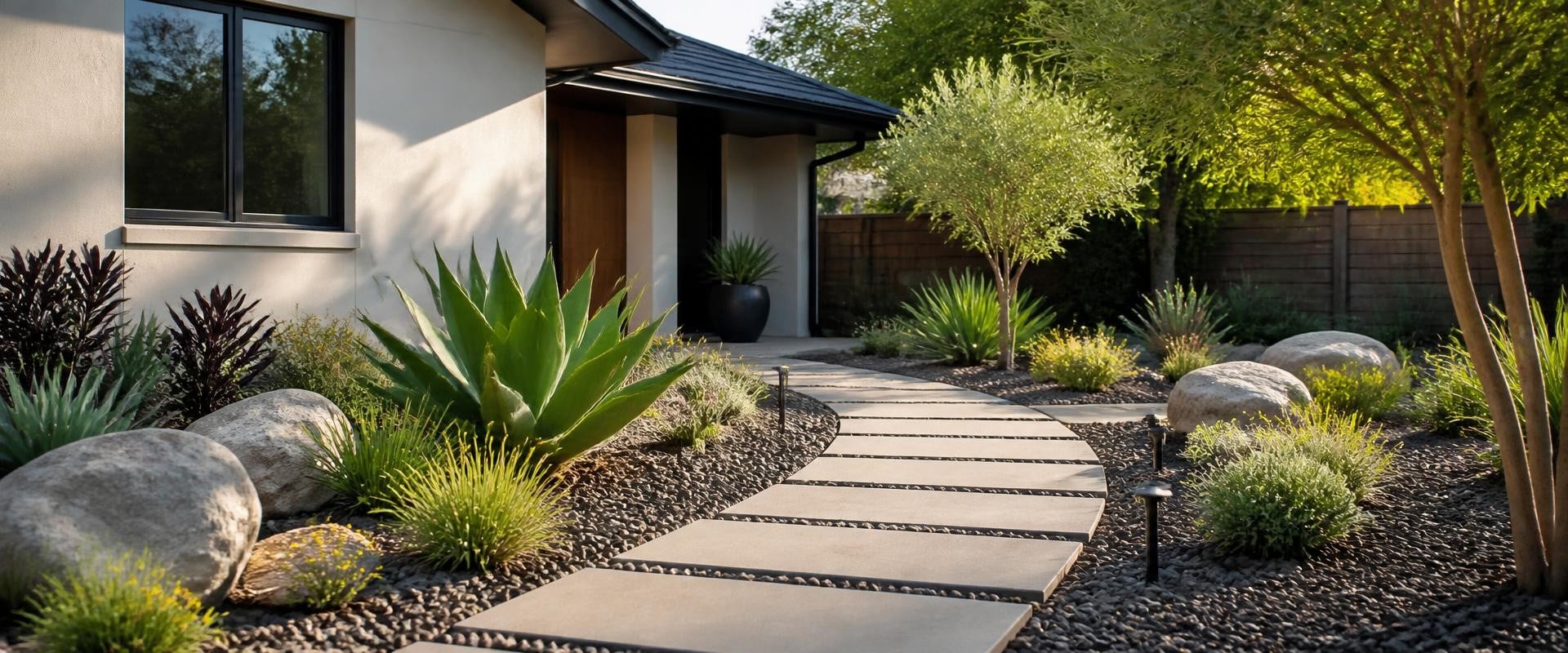
Creating a low-maintenance yard is an increasingly popular choice for homeowners who want to enjoy their outdoor spaces without the constant demands of traditional yard care. With busy lifestyles and the desire for more leisure time, many are seeking ways to simplify their landscaping while still achieving an attractive and functional environment. Understanding the principles of easy yard maintenance can transform your outdoor area into a serene retreat that requires minimal effort. The essence of low-maintenance yard care lies in selecting the right plants, materials, and design elements that work harmoniously with your local climate and soil conditions. By choosing native plants that thrive in your region, you can significantly reduce the need for watering, fertilizing, and pest control.
Additionally, incorporating hardscaping features such as pathways, patios, and decorative stones can minimize grassy areas that require regular mowing and upkeep. Moreover, a well-planned low-maintenance yard not only saves time and resources but also enhances the overall aesthetic appeal of your home. By focusing on sustainable practices and smart design choices, you can create an outdoor space that reflects your personal style while being environmentally friendly. Embracing these concepts will allow you to enjoy your yard more fully, providing a perfect backdrop for relaxation and entertainment without the burden of excessive maintenance.
Choosing the Right Plants for Your Yard
Creating a low-maintenance yard begins with selecting the right plants. By choosing drought-resistant and native plants, you can significantly reduce the amount of care your yard requires while enhancing its beauty and ecological value.Benefits of Native Plants
Native plants are adapted to the local climate and soil conditions, making them inherently more resilient.They require less water, fertilizer, and pesticides compared to non-native species. Additionally, native plants support local wildlife, including pollinators like bees and butterflies, which are essential for a healthy ecosystem.
Top Low-Maintenance Plant Choices
- Lavender: This fragrant herb thrives in well-drained soil and requires minimal watering once established.
- Sedum: A succulent that stores water in its leaves, sedum is perfect for dry areas and comes in various colors and textures.
- Echinacea (Coneflower): Known for its vibrant blooms, echinacea is drought-tolerant and attracts pollinators.
- Black-eyed Susan: This hardy perennial flourishes in various soil types and provides bright yellow flowers with little maintenance.
- Ornamental Grasses: Varieties like blue fescue or switchgrass add texture and movement to your yard while requiring minimal care.
Drought-Resistant Options
If you live in an area prone to dry spells, consider incorporating more drought-resistant plants. These plants have adapted to survive with less water, making them ideal for low-maintenance landscaping. Some excellent choices include:- Aloe Vera: Not only is it drought-tolerant, but it also has medicinal properties.
- Agave: This striking succulent can thrive in poor soil conditions and requires very little water.
- Russian Sage: With its silvery foliage and purple flowers, this plant is both beautiful and drought-resistant.
Remember to consider your local climate and soil conditions when making your selections to ensure the best results.
Designing Your Yard for Low Maintenance
Creating a low-maintenance yard begins with thoughtful yard design. By implementing efficient layouts and selecting the right materials, you can significantly reduce the time and effort required for upkeep.Efficient Layouts
Start by considering the overall layout of your yard. A well-planned design minimizes the need for maintenance tasks such as mowing, weeding, and watering. Here are some tips:- Group plants by water needs: Place drought-tolerant plants together to create zones that require similar watering schedules.
- Use pathways: Incorporate hardscaping elements like gravel or stone paths to reduce lawn areas and provide easy access for maintenance.
- Limit lawn size: Consider reducing the amount of grass in your yard.
Instead, use ground covers or ornamental grasses that require less mowing.
Hardscaping Options
Integrating hardscaping into your design not only adds visual interest but also reduces maintenance. Here are some effective hardscaping ideas:- Patios and decks: Create outdoor living spaces that require minimal upkeep compared to traditional gardens.
- Retaining walls: Use stone or brick walls to define spaces and prevent soil erosion, which can lead to weed growth.
- Pavers: Install pavers for walkways or driveways that are easy to clean and maintain.
Strategic Plant Placement
The choice and placement of plants play a crucial role in achieving a low-maintenance yard. Consider these strategies:- Select native plants: Native species are adapted to your local climate and soil conditions, requiring less water and care.
- Diverse planting: Incorporate a variety of plants to create a balanced ecosystem that naturally controls pests and diseases.
- Layering: Use taller plants at the back and shorter ones in front to create depth while minimizing the need for pruning.
Implementing Hardscaping Features
When it comes to yard care, incorporating hardscaping features can significantly reduce maintenance while enhancing the overall aesthetic of your outdoor space. Hardscaping refers to the non-plant elements of landscaping, such as patios, walkways, and retaining walls, which can create functional areas that require minimal upkeep.Patios and Walkways
One of the most effective ways to minimize lawn care is by installing a patio or walkway.These surfaces not only provide a place for outdoor gatherings but also eliminate the need for grass in those areas. Consider using materials like pavers, concrete, or natural stone for durability and style. Here are some ideas:
- Paver Patios: Versatile and available in various colors and shapes, pavers can be arranged in unique patterns to create a stunning outdoor space.
- Gravel Walkways: A cost-effective option that allows for good drainage and requires little maintenance.
- Stamped Concrete: Mimics the look of stone or brick while being easier to install and maintain.
Low-Maintenance Outdoor Features
In addition to patios and walkways, consider adding other hardscaping elements that enhance your yard's functionality without demanding much care:- Retaining Walls: These structures can help manage soil erosion while creating tiered garden beds that require less mowing.
- Fire Pits: A great focal point for gatherings, fire pits can be constructed from stone or brick and require minimal upkeep.
- Seating Areas: Built-in benches or stone seating can provide comfort without the need for additional furniture that requires storage and maintenance.
Efficient Irrigation Systems
Creating a low-maintenance yard begins with implementing efficient irrigation systems that not only conserve water but also reduce the time and effort spent on yard care.One of the most effective solutions is the drip irrigation system, which delivers water directly to the roots of plants. This targeted approach minimizes evaporation and runoff, ensuring that your plants receive the moisture they need without excess waste.Drip irrigation systems are particularly beneficial for gardens and landscaped areas where water needs vary. By using a network of tubing and emitters, you can customize the watering schedule based on the specific requirements of different plants. This not only promotes healthier growth but also significantly cuts down on maintenance tasks such as frequent watering.In addition to drip systems, consider integrating smart watering solutions.
These advanced systems utilize technology to optimize water usage based on real-time weather data and soil moisture levels. For instance, smart controllers can automatically adjust watering schedules during rainy days or when humidity levels are high, ensuring that your yard remains hydrated without overwatering.When setting up your irrigation system, keep these efficient watering techniques in mind:
- Water early or late: Watering during the cooler parts of the day reduces evaporation.
- Group plants by water needs: Planting similar species together allows for more efficient watering.
- Use mulch: Applying a layer of mulch around plants helps retain soil moisture and reduces weed growth.
Mulching and Ground Covers for Weed Control
Creating a low-maintenance yard can be achieved through effective mulching and the strategic use of ground cover plants. These methods not only enhance the aesthetic appeal of your outdoor space but also significantly reduce the need for frequent maintenance.Benefits of Mulching
- Weed Suppression: A thick layer of mulch blocks sunlight from reaching weed seeds, preventing them from germinating and taking root.
- Moisture Retention: Mulch helps retain soil moisture, reducing the frequency of watering and promoting healthier plants.
- Soil Temperature Regulation: It insulates the soil, keeping it cooler in summer and warmer in winter, which benefits plant growth.
- Organic Matter Addition: As organic mulches decompose, they enrich the soil with nutrients, improving its overall health.
Choosing Ground Cover Plants
Ground cover plants are an excellent choice for filling in bare spots and minimizing weed growth. Here are some popular options:
- Creeping Thyme: This aromatic plant thrives in sunny areas and forms a dense mat that suppresses weeds.
- Pachysandra: Ideal for shady spots, this evergreen ground cover provides year-round greenery while choking out weeds.
- Ajuga (Bugleweed): Known for its vibrant flowers, Ajuga spreads quickly and is effective at weed prevention.
- Vinca Minor (Periwinkle): This hardy plant is perfect for difficult areas and offers beautiful blue flowers in spring.
Weed Prevention Strategies
In addition to mulching and ground covers, consider these strategies to further reduce weed growth:
- Regular Maintenance: While aiming for low maintenance, occasional checks can help catch weeds before they spread.
- Proper Plant Spacing: Planting closely together can shade the soil and limit space for weeds to grow.
- Use Landscape Fabric: Underneath mulch, landscape fabric can provide an additional barrier against weeds while allowing water and nutrients to penetrate.
Maintaining Your Low-Maintenance Yard
Maintaining a low-maintenance yard doesn't mean sacrificing beauty or functionality.With the right strategies, you can enjoy a stunning outdoor space with minimal effort. Here are some effective yard maintenance tips to keep your yard thriving throughout the seasons.
Seasonal Yard Care
- Spring: Begin by clearing debris and dead plants. Apply a layer of mulch to suppress weeds and retain moisture. Consider planting perennials that will return year after year.
- Summer: Focus on watering deeply but infrequently to encourage deep root growth.
Use drip irrigation systems or soaker hoses for efficient watering. Deadhead flowers to promote further blooming.
- Fall: Rake leaves regularly to prevent them from smothering your grass. This is also a great time to plant bulbs for spring blooms. Consider adding compost to enrich the soil.
- Winter: Protect your plants from harsh weather by covering them with burlap or mulch.
Plan your garden layout for the next year during the colder months.
Minimal Upkeep Strategies
- Choose Native Plants: Native plants are adapted to your local climate and require less water and care.
- Group Plants Wisely: Planting in clusters can reduce the need for weeding and make watering more efficient.
- Use Hardscaping: Incorporate stones, gravel, or pavers to create pathways and reduce lawn areas that need mowing.
- Automate Watering: Invest in a smart irrigation system that adjusts based on weather conditions, ensuring your plants receive just the right amount of water.
Common Mistakes to Avoid in Low-Maintenance Yard Care
Creating a low-maintenance yard can be a rewarding endeavor, but many homeowners fall into common traps that can lead to more work and frustration. Here are some common mistakes to avoid in your yard care journey:- Overplanting: One of the biggest mistakes is planting too many flowers, shrubs, or trees. This not only increases maintenance but can also lead to overcrowding and competition for resources.
Instead, choose a few well-suited plants that thrive in your climate.
- Ignoring native plants: Native plants are adapted to your local environment and require less water and care. Failing to incorporate them can lead to higher maintenance needs. Research local flora and consider integrating them into your design.
- Neglecting soil health: Healthy soil is the foundation of a low-maintenance yard. Skipping soil testing or failing to amend it can result in poor plant growth and increased pest problems.
Regularly test your soil and add organic matter as needed.
- Choosing high-maintenance grass: Traditional lawns often require frequent mowing, watering, and fertilizing. Opt for drought-resistant grass varieties or consider alternatives like ground covers that require less upkeep.
- Overwatering: Many homeowners believe that more water equals healthier plants. However, overwatering can lead to root rot and other issues. Implement a smart irrigation system or use mulch to retain moisture without excessive watering.
- Neglecting hardscaping: Hardscaping elements like patios, paths, and retaining walls can significantly reduce the amount of lawn area you need to maintain.
Failing to incorporate these features can lead to more grass and garden beds that require regular care.
Conclusion: Embracing Effortless Yard Care
In conclusion, creating a low-maintenance yard is not only a practical choice for homeowners but also a rewarding one. By implementing the strategies discussed throughout this article, you can significantly reduce the time and effort spent on yard care, allowing you to enjoy your outdoor space more fully.To recap, consider the following key points:- Choose native plants: These plants are adapted to your local climate and soil conditions, requiring less water and care.
- Incorporate hardscaping: Features like patios, walkways, and decorative stones can minimize lawn areas and reduce mowing time.
- Utilize mulch: Applying mulch around plants helps retain moisture, suppress weeds, and reduce the need for frequent watering.
- Install an irrigation system: A drip irrigation system can efficiently deliver water directly to the roots of your plants, saving both time and resources.
- Opt for low-maintenance grass varieties: If you have a lawn, select grass types that require less mowing and watering.
With thoughtful planning and the right choices, your yard can become a serene retreat that requires minimal upkeep while still providing maximum enjoyment.